
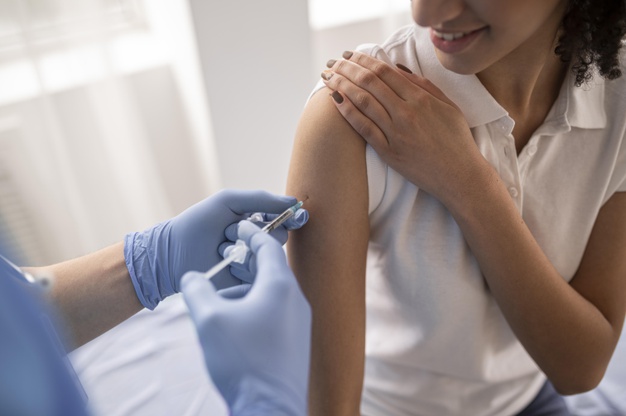
COVID-19 has now been around for a little over a year, and over the past few months, vaccines have been rolling out. There are several two dose vaccines that have been approved for emergency use for the pandemic, as well as several more that should be approved soon, requiring only a single dose (Pfizer, 2021). There has been a fair amount of speculation about the vaccine and what happens to the body once one receives it…Chances are that if you are over age 16, the vaccine will be in your near future so, and you may be wondering. So, here is my account from a nursing perspective. When I arrived at the clinic for my vaccine, they asked me a fair number of screening questions. The typical allergies, name, date of birth etc..- but then they asked more specific questions that I did not expect as part of this screening and feel they are fairly important to pass on: Any other vaccines in the last two weeks? Have you had a positive diagnosis of COVID-19 or received monoclonal antibody therapy? Botox or fillers in the last two weeks? (CDC, 2021,a) So, why are they asking those questions? I had to find out. For previous vaccines in the last two weeks- they want to know so that The current recommendation is that people do not receive the vaccine within two weeks of receiving another type of vaccine. There has not been any research done to identify the outcomes of this. The CDC recommends at this time to avoid. (CDC, 2021,a) Previous COVID Dx: Antibodies stay for approximately 90 days, so it is recommended that they delay getting the vaccine, until more doses are available. (National Center for Immunization and Respiratory Diseases, 2021). Botox/Filler: “In the Moderna mRNA-1273 trial, three reactions were possibly related to dermal fillers out of 15,184 vaccine recipients. It is unknown how many subjects in the trial had previous treatment with dermal fillers.” (Avram, et al, 2021) The first dose of the vaccine was pretty benign. The injection is given in the upper arm- the deltoid muscle. Because the injection needs to be given in the muscle, a fairly large gauge needle is used- typically between a 22 and a 25, with needle sizes the smaller the number the larger the needle bore (Nakajima et al, 2017). Intramuscular injections typically cause a fair amount of pain afterwards- and this one was no different. Similar to a tetanus shot. Due to the type of vaccine, it needs to be delivered into the muscle. Once the injection is given, they ask for you to wait for 15 minutes for observation period. During this time they are watching you for any type of allergic reaction- trouble breathing, dizziness, itchy tongue etc- this period is extended to 30 minutes if you have had any type of anaphaylaxis in the past (Pfizer, 2021). For me, about 5 minutes after the vaccine I got very anxious- I did some pranayama breathing and it settled down before my 15 minutes was up. Over the next few weeks- I spoke to a dozen or so other people that felt anxious after the vaccine too. I had typical arm soreness that extended down to my wrist the next day- nothing that acetaminophen did not resolve. I also woke up feeling pretty achy- but this resolves as soon as I went for my morning walk…That was it, no other effects. The second dose is given a minimum of 21- 28 days after the first dose- but be sure to check what your wait time is as it varies depending on the brand. It is also very important to make sure that you receive the same brand each time as there has not been any research to determine the effects of two different brands of vaccine (Pfizer, 2021). Again it is administered into the deltoid muscle in the upper arm. I used the opposite arm from the last time- and hardly felt it go in. This time my 15 minutes passed very quickly without incident. Later that evening- about 5 hours after the injection I started to feel a little bit nauseous, but not too bad. That night I had difficulty sleeping, I was very achy, and my fingers swelled enough that I had to remove my wedding rings. The next day I continued to be achy, I was pretty tired, with a mild temperature, and my arm was very sore. All of this was expected after the second dose. After the second dose, they tell you to expect to feel flu-like symptoms (CDC, 2021c), and they were correct. I followed the guidelines and drank plenty of water, ate chicken noodle soup, and stayed on the couch and watched NetFlix- Ok, the last one was not in the guidelines, but it helped me to pass the day, and actually enjoy the break from work! I went to bed early that night and when I woke up the next day, I felt fine. So, a basic timeline, 5 hours after the injection I had nausea, at 10 hours: I started to get achy and my fingers swelled-this continued for about 12 hours, I had a good sleep and felt better. All in all the experience was not too bad, I would definitely do it again, and I as a nurse, I have no reservations that I took the vaccine. If a day on the couch with mild flu-like symptoms was the worst I felt during the pandemic- I consider myself very lucky. It will be interesting to watch the new trials as more medications and vaccines are created to help stop this pandemic. Here is the website to check them out yourself! www.clinicaltrials.gov. References: Avram, M., Bertucci, V., Cox, S., Jones, D., & Mariwalla, K. (2020, December 28). Guidance 2. Regarding SARS-CoV-2 mRNA Vaccine Side Effects in Dermal Filler Patients. https://www.asds.net/Portals/0/PDF/secure/ASDS-SARS-CoV-2-Vaccine-Guidance.pdf CDC. (2021). Prevaccination checklist for COVID-19 vaccines. https://www.cdc.gov/vaccines/covid-19/downloads/pre-vaccination-screening-form.pdf CDC. (2021). Pfizer-BioNTech COVID-19 vaccine standing orders for
According to Webster’s Dictionary the definition of conspiracy theory is “a theory that explains an event or set of circumstances as the result of a secret plot by usually powerful conspirators.[1] The human being is always avid to get the right information and explanations about the surrounding events and unknown. Despite non-stop studying, thinking and, setting up experiments to find the answers to our questions, some of these questions may remain unanswered for centuries. Absence of a clear explanation makes people to start think and come up with different theories based on their level of education, understanding and beliefs. Some theories are helpful in moving science forward in order to solve the problems and some theories may act in opposite direction, hindering scientific advancement. None of us have any problem with theories that move science forward. Those theories that are tested in the lab and confirmed as valid should not have much controversy. For example, 5 times 5 is always 25 and you can prove it with multiple methods. We will not have any controversy for that. If a theory is intentionally plotted by a person or group of people to achieve secondary gain, then that theory is considered a “conspiracy theory”. In fact, most conspiracy theories are birthed [intentionally with secondary motif or by misunderstanding], when science comes short in answering all the questions that we may have. If science proves and can explain something clearly, generally no conspiracy theory is able to survive. The COVID-19 pandemic is one of the worst events in the 21st century that has had significant social, economic and personal health impacts. This virus [SARS-2] was new, contagious and killed more than half a million people just in USA in one year. Many questions came up and the unknown, was significantly more than the known. Scientists all over the world started to study the virus, the life cycle, pathogenicity and eventually preventive and therapeutic options. Every simple step that answered one question, produced many more unanswered questions. [2] The mismatch between science’s speed to answer the questions and the number of the unknown, made the field open and ready for giving birth to the conspiracy theory. Those theories, most of the time are theories or thoughts that come out of people minds justifying or explain event base. On the other hand, you always will find some theories that follow secondary gain. Those theories may start as a simple rumor and some of them may become viral in the specific societies. The common denominator of those conspiracy theories is the lack of solid scientific backbone. It has been more than a year since the first case of COVID-19 was reported in China. We have developed vaccines to prevent death and severe cases of that disease. Over the centuries, people always disagreed about using vaccines in treating or preventing the disease. All of us have heard the stories about measles, polio, the diphtheria and many other vaccines. Since the COVID-19 vaccine came to the market, it too brought many stories and theories along with it. Some of the famous ones are very interesting and I am always amazed to see how the theory developed. You have heard this one; that with receiving the vaccine, Bill Gates, Microsoft owner or the government, will implant a microchip in your body and able to control you. It seems during the process of vaccine development, Bill and Melinda Gates foundation and MIT researcher were thinking about adding an invisible ink to be able to keep track of who’s been vaccinated in underserved areas with no medical record. This conversation did not move further than that point, but with a small tweak, this proposal turned to a strong rumor which spread out in the society very fast. [3] Needless to say, these days, with carrying a cell phone, our data and all our movements and information, are recorded somewhere on the Web, so there is really no need to put the microchip in our body, while we willingly carry a mega chip [smartphone] with ourselves everywhere and all the time. Another theory was with using mRNA vaccine, our DNA will change and who knows, what is going to happen to us in future. If anybody knows and has read the cell cycle, one realizes that the function of mRNA and the changing of DNA are two separate processes. This theory sounds very scientific and people believe it due to using some terminology that is interesting and is full of mystery. The last one that I thought is very funny and interesting, is the vaccine decreases the size of male genitalia. Whoever came up with this theory targeted a very sensitive topic. This is a very popular subject to convince people to be on your side of the story. The annual amount of money that is spent in research for erectile dysfunction and size of the male genitalia, is much more than funding for Alzheimer’s disease. [4] With advancing technology and social media, spreading of conspiracy theories is easier than ever. It is not always easy to quickly identify the secondary motive of a conspiracy theory in on the Web or social media. There is a trend that whatever we see in social media is a fact- and this is sometimes true, so it is hard to differentiate which theory is fact and which one is fiction. Underlying mistrust of officials make those conspiracy theories more believable. [5] Conspiracy theories have been and will continue to be in our world around us. Centuries after centuries, when humans did not find the truth, they came up with myths. Our duty as a member of our society is to listen those theories, check and test them with science and only follow the facts that have solid scientific backbone. References: https://www.merriam-webster.com/dictionary/conspiracy%20theory Tolouian, Ramin; Tolouian, Audrey C.; and Ardalan, Mohammadreza (2020) “Blocking serine protease (TMPRSS2) by Bromhexine; looking at potential treatment to prevent COVID-19 infection,” Marshall Journal of Medicine: Vol. 6: Iss. 3, Article
To date Covid-19 is still spreading easily and sustainably all over the world. The covid-19 pandemic has certainly lead many policy makers in many countries to revise and reset their healthcare systems in terms of both human resources and facilities, and today all countries are striving for vaccines. What is a vaccine? The term vaccine derives from the Latin word for cow – vaccà, vaccae. The corresponding adjective and adverb is vaccinae meaning – having to do with cow, ‘cowly’, ‘cowish’. Edward Jenner in 1798 developed the term, and the first vaccine was inoculated in cows infected with Variola Virus, from which the name of the first vaccine was derived – Variolae vaccinae (smallpox of the cow – cowpox). The vaccine was later administered also to people infected with Variola Virus, suffering from smallpox (Jenner, 1800). Later, Louis Pasteur in 1881, proposed to extend the term ‘vaccine’ to all the protective inoculations against viruses (Pasteur, 1881). Vaccines are chemical preparations that provide active acquired immunity against either a single specific virus (monovalent) or against a group of viruses (polyvalent) (Sakhatskyy, 2006). Vaccines are normally biological preparations often made from either weakened or killed forms of the virus or some of its components. The agent stimulates the immune system of the body to recognize it as a threat (non-self) and starts producing antibodies against it. In this way the immune system is capable of further recognizing and destroying any of the microorganisms associated with that agent that it may encounter in the future. Vaccines can be either prophylactic – to prevent or improve the effects of a future infection by a natural or ‘wild’ pathogen, or therapeutic – to fight a disease that has already occurred, such as cancer (WHO, 20202; Bachmann and Dyer, 2004). Vaccination is the most effective method of preventing infectious diseases (Brotherton, 2015); widespread immunity due to vaccination is largely responsible for the worldwide eradication of smallpox and the restriction of diseases such as polio, measles, and tetanus from much of the world. The effectiveness of vaccination has been widely studied and verified (Frazer, 2014). Bachmann M. and Dyer M. (2004) Therapeutic vaccination for chronic diseases: a new class of drugs insight. Nat Rev Drug Discov 3, 81–88. https://doi.org/10.1038/nrd1284 Brotherton J. (2015) “HPV prophylactic vaccines: lessons learned from 10 years experience”. Future Virology. 10 (8): 999–1009. doi:10.2217/fvl.15.60. Jenner E. (1800) Dr. Jenner, on the Vaccine Inoculation. Med Phys J. 3(16):502-503. Sakhatskyy P., et al. (2006) Immunogenicity and protection efficacy of monovalent and polyvalent poxvirus vaccines that include the D8 antigen,Virology, Volume 355, Issue 2, Pages 164-174, ISSN 0042-6822, https://doi.org/10.1016/j.virol.2006.07.017. WHO (2020) Prophilactic Vaccines https://www.who.int. Frazer I.H. (2014) “Development and implementation of papillomavirus prophylactic vaccines”. Journal of Immunology. 192 (9): 4007-11. doi:10.4049/jimmunol.1490012. PMID 24748633. Pasteur L. (1881). “Address on the Germ Theory”. Lancet. 118(3024): 271–72. doi:10.1016/s0140-6736(02)35739-8. Franca Daniele, MD “G. d’Annunzio” University Chieti-Pescara
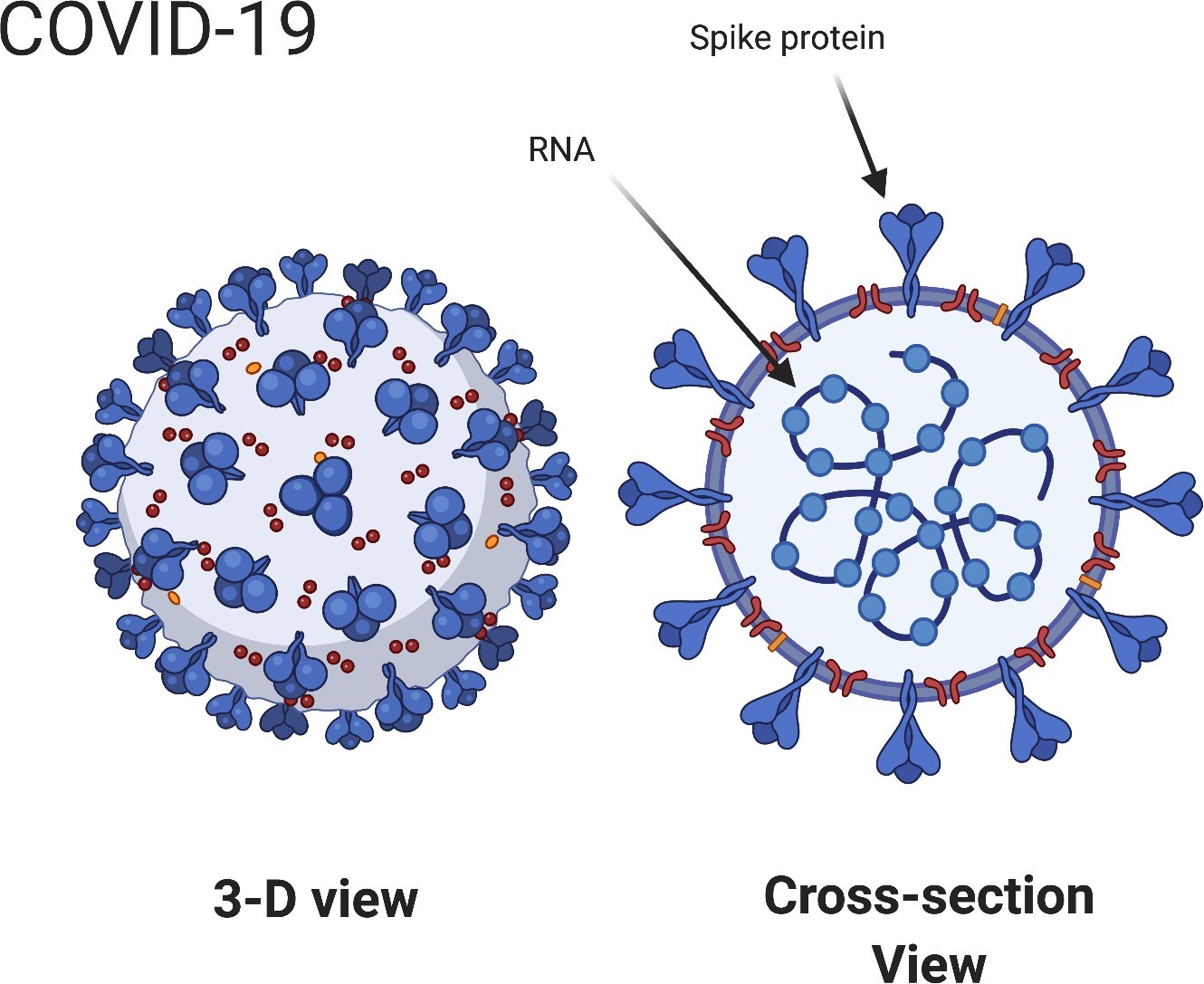
A close friend, of mine, a clinical psychologist, asked me why different COVID- 19 vaccines were stored at different temperatures. As a neurologist, I didn’t know, but I promised her I would look it up and report back. Here is what I found. In Western Europe and North America, there are five major vaccines in the mix. All of the vaccines target the spike protein on the COVID-19 virus (Figure 1). The goal of all five vaccines is to induce the body’s immune system to produce ”neutralizing” antibodies that prevent virus particles from adhering to cells, inserting their RNA, and initiating infections [1]. The effectiveness of each vaccine can be measured in the same way—how well does the vaccine do in inducing the body’s immune system to produce neutralizing antibodies against the COVID-19 virus? The amino acid sequence needed to make the spike protein can be coded as either RNA or DNA. The Johnson and Johnson vaccine codes the spike protein as a short strand of DNA and then introduces it into our bodies using a harmless adenovirus to deliver it to our cells. The Oxford-AstraZeneca vaccine works the same way. Once the DNA is in our cells, it triggers our cells to produce spike protein, which then triggers B cells (our antibody-making cells) to make neutralizing antibodies against the spike protein. Similarly, the mRNA vaccines, one from Moderna and one from Pfizer/BioNTech [2], deliver mRNA to cells in our bodies, which triggers the synthesis of spike proteins. To protect the mRNA from degradation so that it can reach the protein-synthesizing ribosomes within our cells, the mRNA is encased in a protective lipid nanoparticle. Cold temperatures are needed to stabilize these lipid nanoparticles until they are ready for injection at the time of vaccination. The mRNA triggers the synthesis of spike protein in injected muscle cells. When released, B cells react to the newly synthesized spike proteins and produce protective neutralizing antibodies. The Novavax vaccine is based on the direct injection of spike proteins (genetically engineered and synthesized in vitro) combined with an adjuvant to stimulate B cells to make neutralizing antibodies directly. So why the difference in shipping and storage temperatures? The Novavax vaccine is based on the spike protein itself. It is stable at 2° to 8° C. The two vaccines which use adenoviruses as a vector to deliver DNA are also stable at 2° to 8° C. The two vaccines that deliver mRNA and depend on the lipid nanoparticles are less stable due to the fragile nature of the lipid nanoparticles that encapsulate the mRNA. If the lipid nanoparticles disintegrate, the vaccine becomes ineffective. Hence a lower storage temperature is needed to keep the nanoparticles stable [3, 4] References Shibo Jiang, Christopher Hillyer, and Lanying “Neutralizing antibodies against SARSCoV-2 and other human coronaviruses”. In: Trends in immunol- ogy 41.5 (2020), pp. 355–359. Jonathan Corum and Carl Zimmer. How the Johnson and Johnson Vaccine Works. https://www.nytimes.com/interactive/2020/health/johnson-johnson-covid- 19-vaccine.html. Accessed: 2021-02-02. Carol Why Do COVID-19 Vaccines Have To Be Stored at Different Tem- peratures? //www.verywellhealth.com/covid-19-vaccine-temperature-storage- requirement-5091841. Accessed: 2021-02-02. Alex Phillippidis. ”The cold truth about COVID-19 vaccines”. https://www.genengnews.com/news/the- cold-truth-about-covid-19-vaccines/. ”Accessed: 2021-02-02”. Figure 1: Vaccines work by inducing B cells (shown in red) to produce neutralizing antibodies to spike protein. The Oxford-AstraZeneca and the Johnson and Johnson vaccine use an adenovirus to deliver DNA that codes for spike protein. The Moderna and Pfizer-BioNTech vaccines deliver mRNA that codes for spike protein via lipid nanoparticles. Injected muscle cells (shown in yellow) and other cells can make spike protein. The Novavax vaccine delivers spike protein directly on injection combined with an immunological adjuvant. [Created by BioRender.com]
As we all know at this point, the year 2020 has brought a whole new set of challenges to the world. Not only has the COVID-19 virus caused physical issues, it has also caused emotional, financial, and well-being issues. My students have really felt this. As nursing students, they are in a tough place- they are responsible for book learning, but they are also responsible for hands-on clinical skills. With a lack of protective gear, an unknown virus, and a higher than normal level of anxiety, this created an environment that was not suitable for learning. The students have been at a loss through all of this. I tried as quickly as I could to disseminate information, but that was not enough-the students wanted more. They not only went to full-time school, they were now taking full-time care of their spouses and children, and then they were told they had to become homeschool teachers for themselves and for their children, creating an environment of overwhelming chaos! Somehow, I needed to help them deal with some of the stress, and in doing so, I also helped myself and a few other faculty members as well. I provided virtual office hours and noticed that the students only needed a space to have a discussion, not always concerning nursing school, but often times talking about their homelives and how stressful life had become- almost overnight. It became clear pretty quick that the students needed to learn how to care for themselves before they could care for others. Using a model of care called Plane Tree, (Plane Tree, 2020) where the patient is the center of the care team, I morphed this concept a bit so that the student would see themselves as the center of the educational team, and learn some skills that would allow the mind to rest, allowing all of the parts- physical, mental, emotional, environmental, and spiritual (American Nurse Association, 2019)- to fall into harmony. This transformed into weekly meetings with semi-structured activities- where we came together and learned some mindfulness techniques based on Capacitar, a series of “easy-to-use holistic practices drawn both from ancient cultures and current research” (Cane, 2011). The activities that we did in the virtual classroom, can be easily used in other settings. They are a great way to create a sense of community as well as learn some skills that will help to take the edge off of the underlying anxiety that everyone seems to have these days. The first step is having conversation to gauge what the group is interested in or struggling with and taking it from there. Not working with a group? Don’t worry- they work solo too! So, to start, the students and I had some conversations about what we do for fun and things that we do to relieve stress. One student stated during one of the discussions that he was an artist, and his mood was reflected in his color choices. This prompted a bit of color usage study and research studies investigation. Since we were in an Evidence Based Research course, I found a few studies that showed that it helped to increase attention on exams if students colored mandalas before studying, and the students performed better (Carsley, 2020). So, I asked my students to pull out their crayons and get to work. Yes, nursing students actually earned a point if they colored their mandala and shared it with the class. And you know what? They loved it! One of the best parts was actually olfactory- many students said that the smell of the crayons brought them right back to their childhoods, when times were less complicated and they were able to have a bit of fun without guilt. Here they were given permission to take a break and have a bit of stress relief and the response was amazingly positive. To color a mandala, there is no special skill required- actually the most difficult thing is to decide on the one that you would like to color. Once that is decided- grab some crayons, colored pencils, or pens and get started. You can get as involved as you like- What do the colors mean? Should I color with a certain intention? Will I write down positive affirmations as I go? Gençdoğan, et al discuss how mandalas can be used for meditation, to spark creativity, and to create a sense of calm (2018). The most important thing is to enjoy it, let yourself go, and be in the moment. “Bring your pet to class day” was the next week. It is incredible how people love being involved with pets in the classroom virtual sessions. There were dogs, cats, and other types of other pets- such as turtles and lizards. It opened up a whole heart-to-heart about how animals help people to stay calm, make them laugh and help them to take their minds off school (Anderson, 2018). The interactions really showed the animals’ personalities, and how special to the students they are. This was a great activity to get the students engaged with each other quickly and it was so much fun to get a screen grab of all the animals in a Zoom session! Feeling that your team has drifted apart due to working virtually? Ask the members to bring their pets to the next meeting and watch what happens- Don’t have a pet? You Tube has tons of cat videos- during the pandemic, they have become extremely popular for a reason. Another fun activity was Tai Chi. The students said that they really enjoyed this- and actually had their family members join in. Let’s all admit- Tai Chi gets a bit of a bad rap, I mean what good can moving in slow motion do, how is that even exercise? it is just going to make me look silly! Well, there is much more to Tai Chi than those specific movements, it is actually a martial art that helps to improve the mind-body connection and
During this year 2020, all of us in the ESJ Family are celebrating the ESJ 10th anniversary and this Speciaò Edition – THE LANGUAGE OF PANDEMICS is part of these celebrations. Unfortunately, during this same year the whole world has been in total lockdown and the only communication means have been our telephones and computers. The coronavirus pandemic has abruptly changed our lives. Suddenly, our life modes were frozen and petrified into shapes that were unknown to us. The cities were deserted; we were all locked down in our houses with our beliefs, ideas, thoughts, joys and fears. In these peculiar, unusual, unnatural conditions, we have all found out that we are susceptible, liable and fragile. We have discovered internal resources never seen before, but that the support of our family and friends is crucial. We have realized that we are humane! Language is the most human characteristics, and during this pandemic, language has been proclaimed and elevated to its natural status: as the only means human beings have to stay in touch with, share and participate in each other’s lives. Sharing and participation have been possible thanks to the Internet and all the technological devices that have become extensions of our bodies. To date Covid-19 is still spreading easily and sustainably in all communities (“community spread”) all over the world. Community spread is referred to as airborne transmission, representing an important way of transmission of infectious diseases like tuberculosis, measles, and chicken pox, through which a group of people get infected with a virus or bacterium in a precise area. Covid-19 infection is spread by exposure to the virus through small droplets and particles produced when an infected person coughs or sneezes; these droplets can linger in the air for minutes to hours and can move for distances up to 2 meters. After infection with Covid-19, symptoms may appear 2-14 days after exposure to the virus, and can range from mild illness to severe disease. Covid-19 pandemic has certainly lead many policy makers in many countries to revise and reset their healthcare systems in terms of both human resources and facilities, because for the first time, the ‘modern’ world was found to be unfit to face such a medical emergency. In these somewhat ‘exceptional’ conditions medical knowledge transmission and spreading is crucial, especially because people need to be not only informed about the facts surrounding the disease and its spread, but they primarily need to be reassured. Indeed, the issue of knowledge and communication in medicine is certainly a serious one, and during this pandemic medical communication is taking place at different levels starting from the World Health Organization, passing through the different health ministries and commissions in all countries, and ending with doctors and journalists. The papers in this Special Issue use a variety of research methods and they all describe with different angles and different viewpoints this exceptional human condition. Furthermore, this Special Issue is aimed at highlighting language in all its aspects and especially as a communication and an exchange tool during this historical period. The Edition starts with the article by Barbara CAPPUZZO who discusses about the importance of English language as the language of the world, and about the ways the pandemic outbreak has affected our lives, the way we talk and the way we conceive the world. She debates on how a number of Anglicisms have become fully part of the lexicon of Italian language, traditionally being open to foreign words. According to her investigation, Covid-19-related Anglicisms are used in Italian to such an extent that we can reasonably refer to them as the ‘language of pandemic’, with numerous English words and expressions employed in Italian. Renzo MOCINI’s article continues the investigation into the peculiarities of the language used during this Covid-19 pandemic. More specifically he analyzes the ways the World Health Organization (WHO), which represents an authoritative voice in health issues, has managed communication and information transfer to the laypersons during this 2020 pandemic. He continues that since the recent Covid-19 pandemic outbreak, an infodemic has occurred, conveying an overabundance of information, in which separation of the ‘wheat from the chaff’ and true from fake news is extremely difficult. The article by Stefania CICILLINI and Antonella Maria GIACOSA is the perfect example of how our professional and teaching experiences have been so diversified during this period, forcing us to change all our teaching habits and find new strategies to keep our students glued to their computers and listen to us. Indeed, both lecturers and students had to become familiar with online education and had to interact and communicate digitally to replace face-to-face interaction. CICILLINI and GIACOSA highlight how, in this context Emergency Remote Education emerged as a branch of distance learning concerning the unplanned response to an educational emergency. The present Special Edition ends with my paper, which carries out a textual, discourse and semantic analysis of the song Entangled, a masterpiece by the English band Genesis. The song describes a patient living in a dream-like state, having many similarities and parallels with the state of being affected by Covid-19 and experiencing the worst manifestations of the disease. The most overt message deriving from analyzing the words and the discourse in Entangled is the prevailing-type pattern that evidences the strong imbalance existing in a relationship between a doctor and a patient. The inaffable music and voices join in a coral-like song that seems to have links with serenades, charms, prayers, and with unknown dimensions. The enchanting images produced by Entangled evoke a calm, dream-like state where the listener is carried inside the soft ripples of the rhymes and verses that combine and overlap perfectly with the flowing rhythm and the purely magical music. Franca Daniele, MD “G. d’Annunzio” University Chieti-Pescara