

-
Dr. Malick ThiamCheikh Anta Diop University of Dakar (Senegal)

-
Martha Elena Cervantes SanchezInstituto Tecnológico Superior de Escárcega, Mexico

-
Moussitou Moukouengo RollandUniversité Denis Sassou-N’Guesso (UDSN), Congo
-
Vivek AhujaFLAME University, India
-
Vinay SinghUPES, DEHRADUN, INDIA
-
Tafadzwa ChevoUniversity of Zimbabwe, Zimbabwe
-
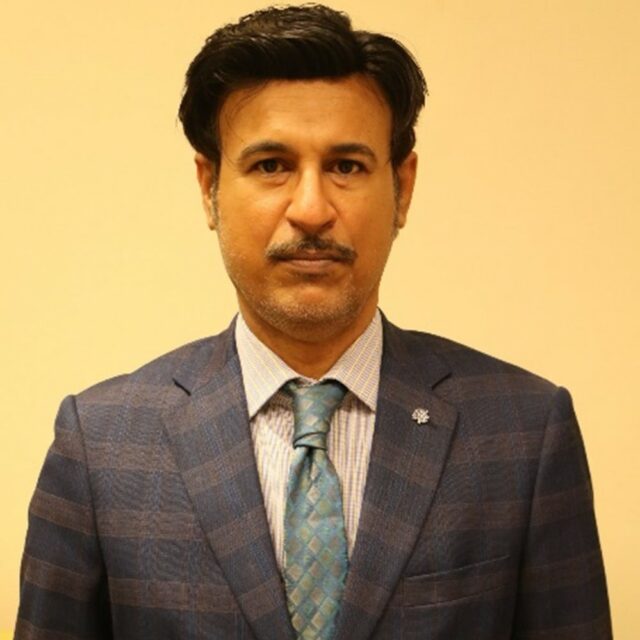
Syed Babar AliHamdard University, Pakistan
-
Sayma ArjuStamford university Bangladesh

-
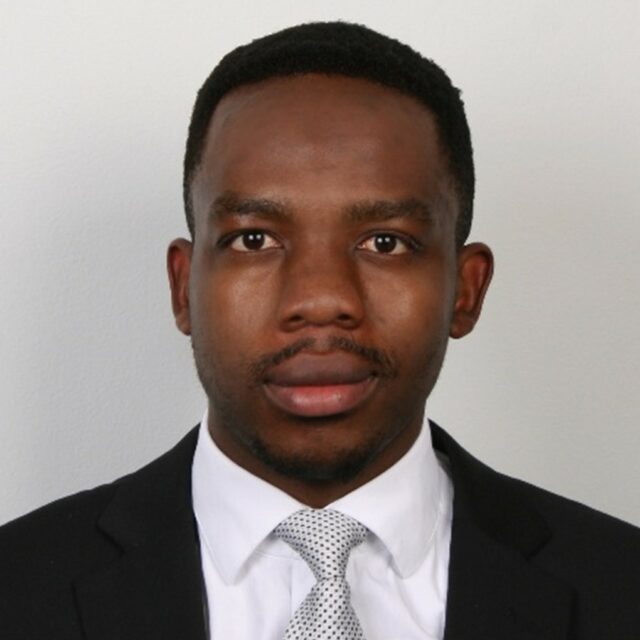
Ransom Tanyu NgengeJagiellonian University, Poland
-
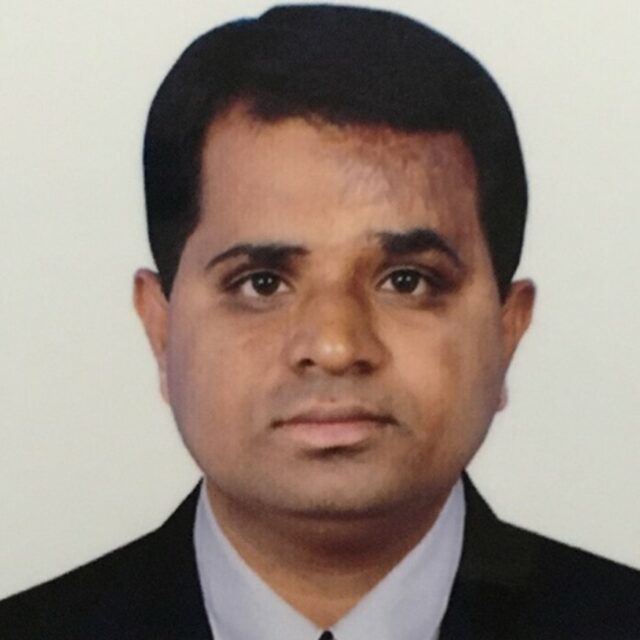
Pradeep SunkariMalla Reddy Engineering College for Women, India
-
Nurdan Kavakli UlutasIzmir Demokrasi University, Türkiye

-
Nelofar IkramWomen University Mardan, Pakistan

Dr. Malick Thiam
Dr. Malick Thiam
Cheikh Anta Diop University of Dakar (Senegal)
Personal information
Name: THIAM
Given names: Malick
Nationality: Senegalese
Assistant Professor in Geology-Paleontology
Department of Life and Earth Sciences
Faculty of Science and Technology of Education and Training (FASTEF)
Professional experience
- Since 2019
Assistant Professor in Geology-Paleontology at the Department of SVT of the FASTEF of Cheikh Anta Diop University.
- 2016-2019
Assistant in Geology-Paleontology – Cheikh Anta Diop University.
- 2017–2021
lecturer in Bio-Statistics applied to Micropaleontology- Cheikh Anta Diop University.
- 2014-2015
Lecturer in Applied Micropaleontology – Cheikh Anta Diop University.
- 2012–2014
Lecturer in Biostratigraphy – Cheikh Anta Diop University
- 2013- 2016
Head Coordinator of Ngoundiane secondary School- Thies (Senegal).
- 2010-2012
Lecturer in Petrography-Mineralogy – Cheikh Anta Diop University.
- 2008-2010
PhD-Position Institüt für Geowissenschaften at the Eberhards Karls University of Tübingen (Germany).
- 2002- 2007
Secondary School Teacher of Life and Earth Sciences (SVT) at the Ministry of Education (Senegal).
- 2007-2008
DAAD scholarship at Goethe Institut Mannheim (Germany).
Studies and training
- 2014
PHD in Earth Sciences (Geosciences-Micropaleontology), Cheikh Anta Diop University (Senegal).
- 2007
Diploma in Advanced Studies (DEA)-Geosciences, Cheikh Anta Diop University Dakar (Senegal).
- 2002
Certificate of Pedagogic Training in Life and Earth Sciences.
- 1999
Master Degree in Natural Sciences. Cheikh Anta Diop University Dakar (Senegal).
Language skills
- French: Spoken- Read-Written
- English: Spoken- Read-Written
- German: Spoken-Read-Written [Certificate B2-2]
- Mother tongue : Wolof
Martha Elena Cervantes Sanchez
Martha Elena Cervantes Sanchez
Instituto Tecnológico Superior de Escárcega, Mexico
Email: [email protected]
PERFIL PROFESIONAL
Martha Elena Cervantes Sánchez
Docente Investigador del Instituto Tecnológico Superior de Escárcega (2006)
Lugar de Nacimiento: Escárcega, Campeche.
Docente con PERFIL PRODEP desde 2017 a la fecha
FORMACIÓN ACADÉMICA
- Ingeniero en Desarrollo Rural: Escuela Superior de Escárcega
- Maestría Tecnológica en Prestación de Servicios Profesionales: Colegio de Posgraduados, Campus San Luis Potosí
- Doctorado en Educación por la Universidad José Martí Latinoamericana (Mérida)
(Proceso de terminación de tesis doctoral)
PERFIL PRODEP: Desde 2017 hasta la fecha (9 años)
CUERPO ACADÉMICO: Calidad e inocuidad en productos y procesos alimentarios 2017 hasta 2019
CAMPOS DE INVESTIGACIÓN/ÁREAS DE ESPECIALIZACIÓN: Social, Alimentos, Sustentabilidad, Educación y Microempresas
PRODUCTIVIDAD ACADÉMICA DESDE 2025
- Corresponsabilidad entre la Licenciatura en Administración y las microempresas de la
ciudad de Escárcega, Campeche para la inserción laborar de los egresados. - Diagnóstico de las capacidades administrativas de las pymes en la ciudad de Escárcega
- Diagnóstico y propuesta de mejora del clima organizacional en las pymes del sector salud
- Análisis del impacto sobre el factor económico en la deserción estudiantil en la carrera de Lic. en Contador Público del ITSE
- Consecuencias fiscales para los contribuyentes por desconocimiento de la normatividad del Servicio de Administración Tributaria (SAT)
- Métodos efectivos de financiamiento para e s t u d i a n t e s universitarios
- Importancia de la educación financiera en el manejo de ingresos en los adultos
jóvenes de la carrera de contabilidad del primer semestre de ITSE - La importancia del ahorro financiero para lograr m e t a s p e r s o n a l e s y
profesionales - La importancia de la cultura del ahorro e n las generaciones jóvenes para lograr metas
financieras a largo plazo
Moussitou Moukouengo Rolland
Moussitou Moukouengo Rolland
Université Denis Sassou-N’Guesso (UDSN), Congo
Urbaniste, titulaire d’un Master 2 en Urbanisme (EAMAU, Lomé), Enseignant-Chercheur à
l’Institut Supérieur d’Architecture, d’Urbanisme, du Bâtiment et des Travaux Publics (ISAUBTP)
de l’Université Denis Sassou-N’Guesso, et consultant en sauvegardes environnementales pour
des projets financés par la Banque mondiale. Il dispose d’une expertise solide dans l’analyse
et la planification des systèmes urbains, à travers l’élaboration de documents de planification,
la conception de projets urbains intégrés et la mise en œuvre opérationnelle de projets
territoriaux.
Ses travaux portent sur l’articulation entre urbanisme, environnement et développement
durable, avec un intérêt particulier pour la gestion des déchets solides ménagers,
l’assainissement urbain, la gouvernance environnementale et la résilience des villes africaines
face aux changements climatiques. Il intervient également dans l’évaluation des impacts
environnementaux et sociaux, la participation communautaire et la gestion des risques liés
aux projets urbains.
DOMAINES DE RECHERCHE
- Urbanisme et planification urbaine
- Gouvernance environnementale urbaine
- Sauvegardes environnementales et sociales des projets
- Évaluation des impacts environnementaux et sociaux (EIES)
- Résilience urbaine et adaptation au changement climatique
- Villes africaines et urbanisation
DOMAINES D’ENSEIGNEMENT
- Urbanisme (analyse urbaine, processus d’urbanisation, théories de l’urbanisme : XXe
siècle et Poste-urbanisme)
- Urbanisme prévisionnel et documents de planification urbaine
- Projet urbain et urbanisme opérationnel (ateliers de projet)
- Gouvernance du projet urbain
- Outils et méthodes du projet urbain
Vivek Ahuja
Vivek Ahuja is the Director of Accreditation, Ranking & Compliance, and Doctoral Programs at FLAME University, Pune. With leadership and teaching experience at renowned Indian universities, he has contributed to academics and peer learning at Ashoka University and led academic operations at Shiv Nadar University’s business school, where he also taught Entrepreneurship Capstones to MBA and Executive MBA students.
He holds a PhD in Business from Aligarh Muslim University, an MBA from IBS Hyderabad, and a B.E. in IT from Rajiv Gandhi Prodyogiki Vishwavidyalaya, Bhopal. Vivek researches Higher Education and Entrepreneurship, with several publications in indexed journals and edited books.
Research Topic: Promoting Educational Resilience through Pedagogical Innovations in Higher Educational Administration Post COVID
Program Module: Hybrid
Host University: Grigol Robakidze University, Georgia
Research Advisor: Dr. Murtaz Kvirkvaia, Grigol Robakidze University, Georgia
Vinay Singh
Vinay Singh holds a Ph.D. in Computer Science with MS CSIT from USA and has extensive experience as a computer lecturer in the CS&IT department at DIT University, India. He has served as a Lead DevOps/SRE Engineer, specializing in Build & Release processes using Continuous Integration and Continuous Deployment (CI/CD) with tools like Jenkins, Bamboo, and Maven under an Agile framework. Alongside his teaching roles—where he covered subjects such as Java, C++, Python, DBMS, Networking, and Microprocessors—he was involved in preparing exam questionnaires and providing student support in computer labs. Vinay has excellent troubleshooting skills, improving service availability, performance, and stability. He has contributed to developing long-term Site Reliability Engineering roadmaps, implementing DevOps practices, and supporting Azure Cloud deployments within SLA timelines. Additionally, he holds certifications in AWS Cloud, Google Cloud, and Oracle WebLogic, alongside his expertise in Talend administration and ETL technologies.
Research Topic: Migration aspects from a Legacy Version Control System to a Distributed Version Control System in Cloud environment.
Program Module (Hybrid or Online) : Online
Research Advisor: /
Tafadzwa Chevo
Dr. Tafadzwa Chevo holds a PhD in Sociology from Rhodes University and is a Senior Lecturer in the Department of Demography, Settlement, and Development at the University of Zimbabwe. He has extensive experience in teaching and research, with a focus on urban development, livelihoods, and socio-economic resilience. His work critically examines poverty and policy interventions in Southern Africa. His research at the European Scientific Institute (ESI) focuses on Urbanisation, Livelihoods, and Climate Change: A Comparative Analysis of Adaptation Strategies in India and Zimbabwe.
Research Topic: Urbanization, Livelihoods, and Climate Change: A Comparative Analysis of Adaptation Strategies in India and Zimbabwe
Program Module: Hybrid
Host University: SRM University, India
Research Advisor: /
Syed Babar Ali
Syed Babar Ali has over 22 years of teaching experience in leading business schools, and 4 years of corporate experience. He holds a PhD in Finance, with his thesis focusing on Theories of Valuation and their Application to the Valuation of Publicly-Traded Equities and Start-ups. Syed earned a gold medal in MS, and completed MBA in finance from IBA, Karachi.
He possesses international certifications, including CFA, FRM, CMA, and CIA. He has completed two comprehensive specializations in fintech. Syed teaches finance and accounting and researches valuation and risk management. He is currently serving as a Professor at Hamdard University.
Research Topic: From Adoption to Valuation: A Comprehensive Framework for Evaluating EdTech Platforms in Emerging Markets
Program Module: Hybrid
Host University: University of Saint Joseph, Macao
Research Advisor: Dr. Michael Ha, University of Saint Joseph, Macao
Sayma Arju
Dr. Sayma Arju is a Professor in the Department of English at Stamford University Bangladesh and currently serves as Chair of the department. Her Ph.D. research focuses on learning disabilities in a Content and Language Integrated Learning (CLIL) setting. She holds a master’s degree in English literature and ELT. Her experience in teaching spans over 20 years. With a distinguished academic and professional background, she has published articles in peer-reviewed scholarly journals. As a professor, she supervises student research and actively contributes to key departmental and central university committees. With extensive experience in teacher training, materials development, and research, Dr. Arju has made significant contributions to academia. Her research interests include ELT, materials development, curriculum development, learning disabilities, pedagogy, and gender studies. Beyond her professional responsibilities, she writes short stories and poems, which have been featured in various magazines and newspapers.
Research Topic: Addressing the Special Needs of Students with Disability in the Tertiary Level’s Curriculum
Program Module (Hybrid or Online): Hybrid
Host University: University of Saint Joseph, Macao.
Research Advisor:
Ransom Tanyu Ngenge
Dr. Ngenge Ransom Tanyu is an Assistant Professor at Jagiellonian University. He holds a PhD in Political Science and Public Administration from the University of the National Education Commission, Krakow, and has earned degrees from universities in Germany, Norway and Cameroon. His interdisciplinary research spans higher education policy, sustainable development, and regional integration. He is the Editor-in-Chief of the e_AOPL Journal of Social Sciences and actively engages in academic publishing, policy advising, and international conference presentations.
Research Topic: Higher Education Governance in the Shadow of Politics: Analysing Academic Trust, Freedom, and Censorship in Cameroon
Program Module (Hybrid or Online): Online
Research Advisor: Dr. Murtaz Kvirkvaia
Pradeep Sunkari
Research Topic:
A Neutrosophic Aware Clustering and the Reinforcement Learning with the Metaheuristic Aware Relay and Routing Selection Framework for Manet
Program Module: Hybrid
Host University: University of La Laguna, Spain
Research Advisor: Dr. Carlos Mora, University of La Laguna, Spain
Nurdan Kavakli Ulutas
Nurdan Kavakli Ulutas holds a PhD in English Language Teaching from Hacettepe University, supported by a scholarship from the Scientific and Technological Research Council of Turkiye. She is an academic at the Department of English Language Teaching at Izmir Demokrasi University, teaching undergraduate and graduate courses while actively engaging in research. She has published in national and international journals and contributed to various education projects both at national and international levels. As the editor-in-chief of Futuristic Implementations of Research in Higher Education (FIRE), her research focuses on language teacher education, language teacher wellbeing, and language testing and assessment.
Research Topic: Informing Social Science Research in a Post-Crisis Context Through the Integration of Language Education and AI-driven Learning Analytics
Program Module: Hybrid
Host University: Grigol Robakidze University, Georgia
Research Advisor: Prof. Vasil Kikutadze, Grigol Robakidze University, Georgia
Nelofar Ikram
Dr. Ikram is an Assistant Professor of the Department of Political Science at Women University Mardan, Khyber Pakhtunkhwa, Pakistan. Research areas of her interest are Democratization, Governance, International Relations, Foreign Policy of Pakistan, Political Economy, Socio-Economic Issues, Climate Change Mitigation, CPEC, and BRICS. She holds a PhD degree in the field of Democratization and Governance from the University of Peshawar, KP, Pakistan and have published research papers in reputable journals. She is also a member of different professional committees, and currently part of the Project Women Empowerment Mentoring Program. Committed to teaching and mentoring students, Dr. Ikram`s research aims to inform policy debates and improve governance practices.
Research Topic: Global Governance and Pandemic Preparedness: Evaluating the Effectiveness of International Frameworks in Preventing and Responding to Public Health Emergencies
Program Module: Online Module
Research Advisor: Dr. Angelo Rafael, Saith Joseph University, USJ Macao