

-
Ahmet Abdou RhamaneUniversity Abdou Moumouni of Niamey, Niger
-
Geno Bongongo MatioInstitut Géographique Du Congo (Igc), DR Congo
-
Kouadio Antoine KouadioFélix Houphouët-Boigny University, Côte d’Ivoire
-
Pr. Florentin Azia DimbuUniversité Pédagogique Nationale, Democratic Republic of Congo
-
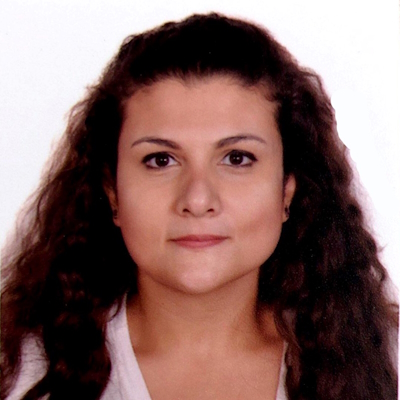
Nermin SiphoclyMisr International University (MIU), Egypt
-
Dr. Malick ThiamCheikh Anta Diop University of Dakar (Senegal)

-
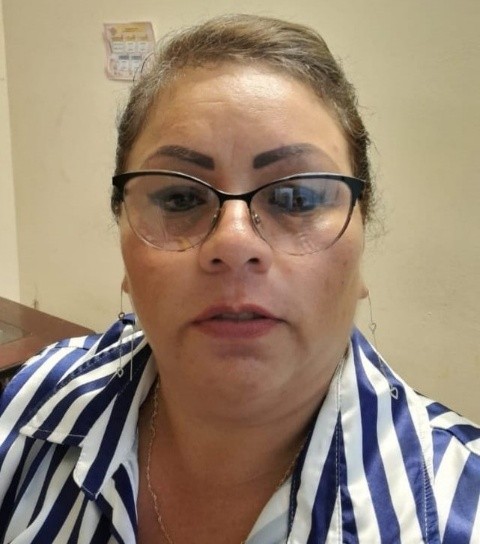
Martha Elena Cervantes SanchezInstituto Tecnológico Superior de Escárcega, Mexico
-
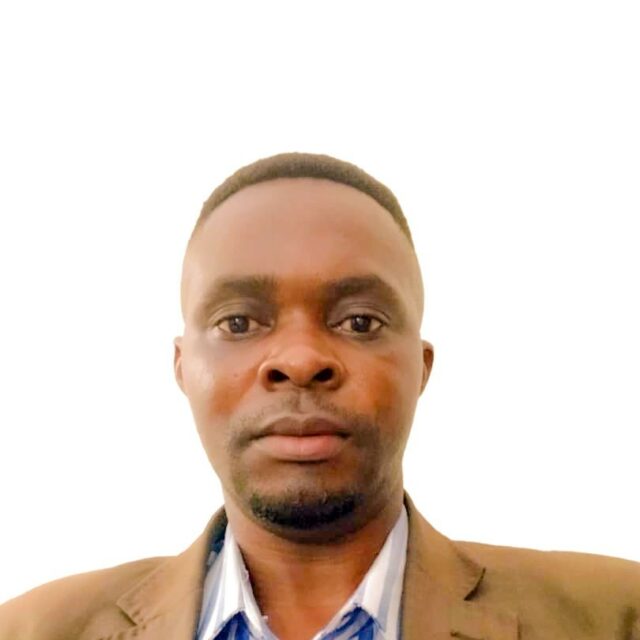
Moussitou Moukouengo RollandUniversité Denis Sassou-N’Guesso (UDSN), Congo
-
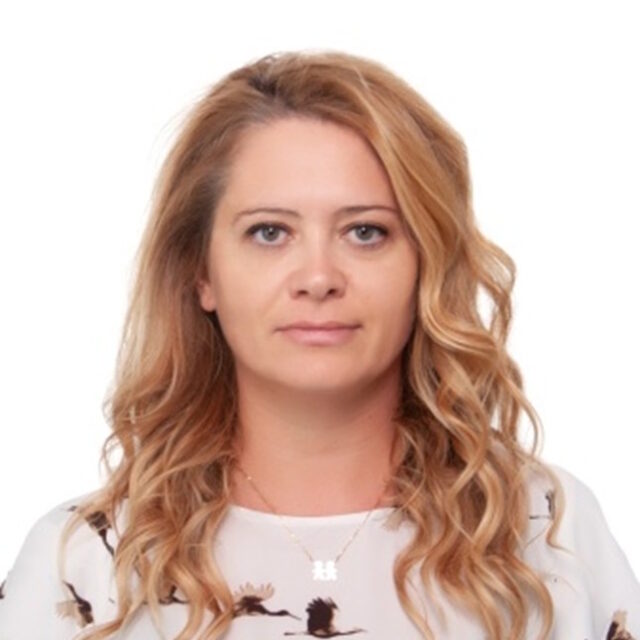
Blerina Dhrami, PhDUniversiteti Metropolitan Tirana, Albania
-
Aroop Saha, PhDUniversity of Information Technology & Sciences (UITS), Bangladesh
-
Sijousa Basumatary, PhDBodoland University, Kokrajhar, India
-
Amrinder Singh, PhDJAIN (Deemed to be University), India
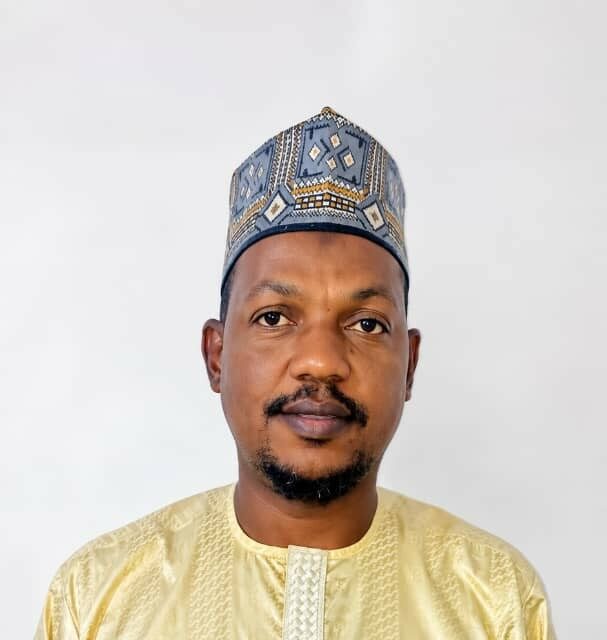
Ahmet Abdou Rhamane
Agronomist and Environmental & Natural Resource Management Specialist with over 15 years of professional experience in humanitarian and development contexts across the Sahel. I am a PhD candidate, focusing on natural resource-related conflicts, population displacement, and environmental dynamics.
My research interests include natural resource governance, climate change, livelihoods, resilience, conflict dynamics, and the Humanitarian-Development-Peace Nexus. I have strong expertise in mixed-methods research, GIS, tele detection, statistical analysis, MEAL, and field-based data collection. I am committed to interdisciplinary research and evidence-based approaches that contribute to sustainable resource management and resilience in fragile contexts.
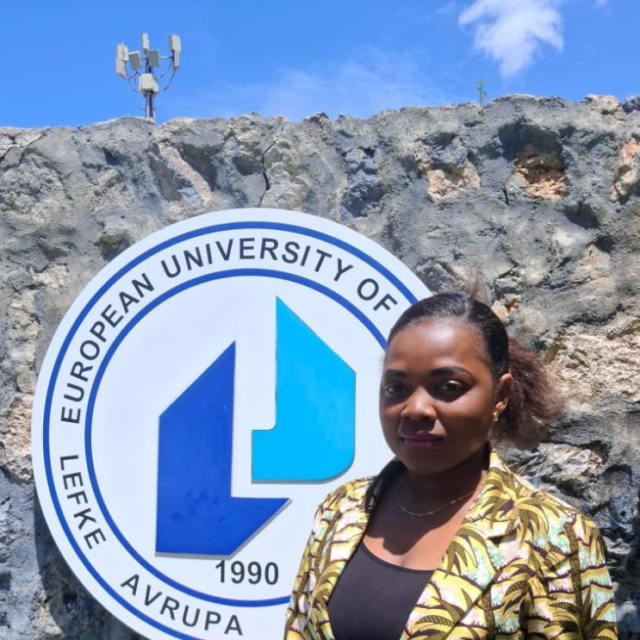
Geno Bongongo Matio
Geno Bongongo Matio is a researcher and environmental geographer from the Democratic Republic of Congo (DRC). She holds a Master’s degree in Environmental Sciences from the European University of Lefke (Northern Cyprus) and a Bachelor’s degree in Geography (Environmental Sciences) from the National Pedagogical University (UPN) in Kinshasa, DRC.
She works as a research assistant at the Geographic Institute of Congo (IGC) in Kinshasa. Her research focuses on the impact of climate change and environmental vulnerability, with a particular emphasis on urban agriculture and women market gardeners. She also works on nature conservation in protected area management in Africa, environmental and social impact assessment, environmental project management, the fundamental principles of REDD+, and the analysis of challenges and actions related to sustainable development.
LANGUAGES SPOKEN: French and English.
Email: [email protected]
INSTITUT GÉOGRAPHIQUE DU CONGO (IGC)
GENO BONGONGO MATIO est une chercheuse et géographe environnementale originaire de la République Démocratique du Congo (RDC). Elle est titulaire d’un master en sciences de l’environnement (obtenu à l’Université Européenne de Lefke (Chypre du Nord), et titulaire d’une licence en géographie (sciences de l’environnement) de l’Université Pédagogique Nationale (UPN) à Kinshasa en RDC.
Elle travaille comme assistante de recherche à l’Institut Géographique du Congo (IGC) à Kinshasa. Ses travaux de recherche se concentrent sur l’impact des changements climatiques et de la vulnérabilité environnementale, avec un accent particulier sur l’agriculture urbaine et les femmes maraîchères. Elle intervienne également sur la conservation de la nature dans la Gestion des aires protégées en Afrique, sur l’évaluation des impacts environnementaux et Sociaux, la Gestion de projet environnemental, les Principes fondamentaux de REDD+, Analyse les enjeux et les actions du développement durable.
LANGUES PARLÉES: Français et Anglais.
Email: [email protected]
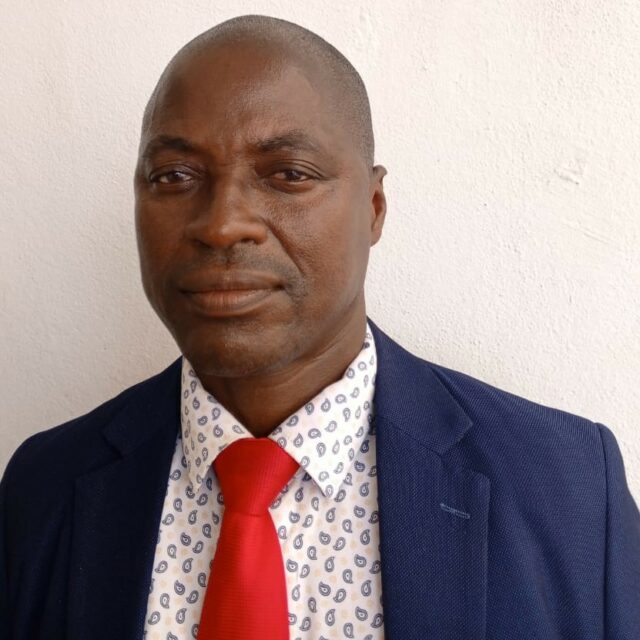
Kouadio Antoine Kouadio
Kouadio Antoine Kouadio
Félix Houphouët-Boigny University, Côte d’Ivoire
KOUADIO Antoine Kouadio est né le 29 décembre 1972 en Côte d’Ivoire. Marié et père de quatre enfants, il est enseignant-chercheur au Département de Psychologie de l’Université Félix Houphouët-Boigny d’Abidjan-Cocody.
Après avoir soutenu, en août 2014, une thèse de Doctorat unique en Psychologie, spécialité Psychologie génétique différentielle, à l’Université Félix Houphouët-Boigny, il a été recruté en juillet 2015 comme enseignant-chercheur au sein du Département de Psychologie de la même université. En 2018, il a été promu au grade de Maître-Assistant à l’issue du concours du CAMES.
Ses travaux de recherche portent principalement sur les comportements de conduite automobile, les performances attentionnelles et scolaires, ainsi que les comportements d’addiction aux jeux. Il est auteur de plusieurs publications dans ces domaines, réalisées à titre individuel ou en collaboration avec des collègues et des étudiants. Il poursuit actuellement ses activités de recherche et de publication dans la perspective de présenter sa candidature au grade de Maître de Conférences au concours du CAMES 2027.
Mr. KOUADIO Antoine Kouadio was born on December 29, 1972, in Côte d’Ivoire. He is married and the father of four children. He is currently a teacher-researcher in the Department of Psychology at Félix Houphouët-Boigny University, Abidjan-Cocody.
After defending his doctoral thesis in Psychology, with a specialization in Differential Genetic Psychology, in August 2014 at Félix Houphouët-Boigny University, he was recruited in July 2015 as a teacher-researcher in the Department of Psychology at the same university. In 2018, he was promoted to the rank of Assistant Professor / Maître-Assistant through the CAMES competitive evaluation process.
His research interests focus mainly on automobile driving behavior, attentional and academic performance, and addictive gaming behaviors. He has produced several scholarly works in these areas, both independently and in collaboration with colleagues and students. He continues to develop his research and publication record with the aim of applying for promotion to the rank of Associate Professor / Maître de Conférences through the CAMES 2027 evaluation process.
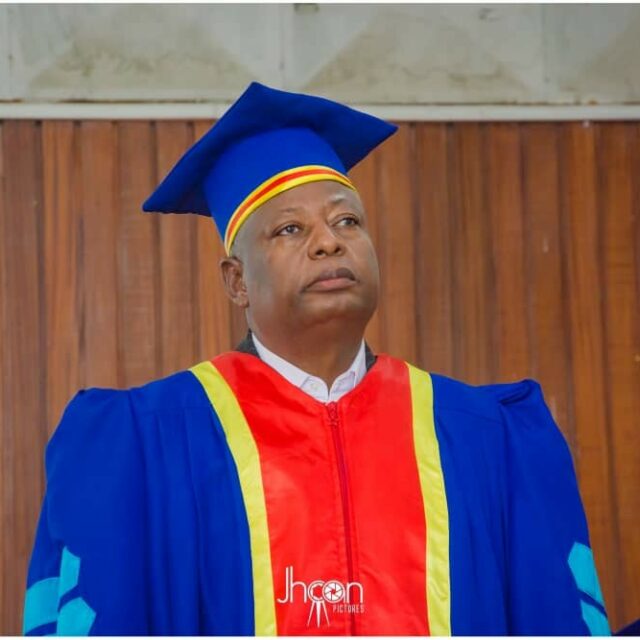
Pr. Florentin Azia Dimbu
Pr. Florentin Azia Dimbu
📍 Université Pédagogique Nationale (UPN), Kinshasa – RDC
Faculté de Psychologie et des Sciences de l’Éducation
Département d’Orientation Scolaire et Professionnelle
📧 [email protected] | [email protected]
Profil académique
Professeur titulaire en sciences de l’éducation, spécialiste en psychopathologie sociale, psychométrie et méthodologie de la recherche. Expert reconnu dans l’étude des enfants en situation de rue, avec une solide expérience en enseignement, recherche, encadrement doctoral et consultance institutionnelle.
Centres d’intérêt
- Psychopathologie sociale
- Psychométrie et construction des tests
- Méthodologie de la recherche en sciences sociales
Formation
- Doctorat en Sciences de l’Éducation, Université Marien-Ngouabi (2009) – Mention Très honorable
- DEA en Sciences de l’Éducation, Université Marien-Ngouabi (2002) – Mention Très bien
- Licence en Orientation Scolaire et Professionnelle, UPN (1988) – Distinction
Expérience professionnelle (sélection)
- Professeur Titulaire, UPN (depuis 2009)
- Doyen, Faculté de Psychologie et Sciences de l’Éducation, UPN (2016–2019)
- Chef de Département OSP, UPN (2010–2015)
- Consultant, Ministère de la Fonction Publique (depuis 2015)
- Expert principal, Fonds Social de Développement – Ambassade de France (2012–2015)
- Consultant, War Child (2013)
- Conseiller gouvernemental (Premier Ministre, Ministre d’État, Gouverneur de la ville de Kinshasa)
- Fondateur/Président, ONG et structures éducatives (Aide aux enfants en difficulté, Bible Pour Tous)
Activités académiques
- Enseignements en psychologie sociale, psychométrie, diagnostic psychologique et méthodologie
- Supervision de nombreux mémoires et thèses de doctorat
- Direction de plusieurs thèses soutenues (≥ 7)
- Participation à des jurys internationaux (Afrique et Europe)
Publications (sélection récente)
- Articles scientifiques dans European Scientific Journal, Akofena, Lakisa
- Ouvrages chez L’Harmattan (éducation, entrepreneuriat, enfants de la rue)
- Travaux sur : psychotraumatismes, tests psychologiques, éducation en Afrique
Responsabilités scientifiques
- Vice-président de l’AFIRSE (Association Francophone Internationale de Recherche Scientifique en Éducation)
- Membre de plusieurs comités scientifiques internationaux
- Interventions dans colloques internationaux (Europe, Afrique, Canada)
Langues
- Français
- Lingala
Informations personnelles
- Né le 24 juillet 1960 à Kingandu (RDC)
- Nationalité congolaise
- Marié, père de trois enfants
Atouts clés
- Expertise en psychométrie et validation des tests
- Leadership académique et institutionnel
- Expérience internationale en recherche et formation
- Forte production scientifique et encadrement doctoral
Nermin Siphocly
Dr. Nermin Siphocly was born in Cairo, Egypt. She obtained her B.Sc. , M.Sc. and Ph.D. degrees with specialization in Computer Science from Ain Shams University in 2008, 2013 and 2021 respectively. In 2023, she was the advisor of the NEXUS student club. She supervised the “Social Informatics Workshop” club event. Dr. Nermin also has a considerable research experience. She participated in collaborative research projects between her university and industrial companies. In addition to her M.Sc. and Ph.D thesis, she has a growing list of published papers. Dr. Nermin received an International Publication Award from Ain Shams University in 2022.
Research Topic:
Intelligent Energy Conservation: A Smart Monitoring System for Optimizing Electricity Consumption.
Online module.
Research Advisor: Dr.Omar Dominguez Ramirez, Autonomous University of the State of Hidalgo, Mexico
Dr. Malick Thiam
Dr. Malick Thiam
Cheikh Anta Diop University of Dakar (Senegal)
Personal information
Name: THIAM
Given names: Malick
Nationality: Senegalese
Assistant Professor in Geology-Paleontology
Department of Life and Earth Sciences
Faculty of Science and Technology of Education and Training (FASTEF)
Professional experience
- Since 2019
Assistant Professor in Geology-Paleontology at the Department of SVT of the FASTEF of Cheikh Anta Diop University.
- 2016-2019
Assistant in Geology-Paleontology – Cheikh Anta Diop University.
- 2017–2021
lecturer in Bio-Statistics applied to Micropaleontology- Cheikh Anta Diop University.
- 2014-2015
Lecturer in Applied Micropaleontology – Cheikh Anta Diop University.
- 2012–2014
Lecturer in Biostratigraphy – Cheikh Anta Diop University
- 2013- 2016
Head Coordinator of Ngoundiane secondary School- Thies (Senegal).
- 2010-2012
Lecturer in Petrography-Mineralogy – Cheikh Anta Diop University.
- 2008-2010
PhD-Position Institüt für Geowissenschaften at the Eberhards Karls University of Tübingen (Germany).
- 2002- 2007
Secondary School Teacher of Life and Earth Sciences (SVT) at the Ministry of Education (Senegal).
- 2007-2008
DAAD scholarship at Goethe Institut Mannheim (Germany).
Studies and training
- 2014
PHD in Earth Sciences (Geosciences-Micropaleontology), Cheikh Anta Diop University (Senegal).
- 2007
Diploma in Advanced Studies (DEA)-Geosciences, Cheikh Anta Diop University Dakar (Senegal).
- 2002
Certificate of Pedagogic Training in Life and Earth Sciences.
- 1999
Master Degree in Natural Sciences. Cheikh Anta Diop University Dakar (Senegal).
Language skills
- French: Spoken- Read-Written
- English: Spoken- Read-Written
- German: Spoken-Read-Written [Certificate B2-2]
- Mother tongue : Wolof
Martha Elena Cervantes Sanchez
Martha Elena Cervantes Sanchez
Instituto Tecnológico Superior de Escárcega, Mexico
Email: [email protected]
PERFIL PROFESIONAL
Martha Elena Cervantes Sánchez
Docente Investigador del Instituto Tecnológico Superior de Escárcega (2006)
Lugar de Nacimiento: Escárcega, Campeche.
Docente con PERFIL PRODEP desde 2017 a la fecha
FORMACIÓN ACADÉMICA
- Ingeniero en Desarrollo Rural: Escuela Superior de Escárcega
- Maestría Tecnológica en Prestación de Servicios Profesionales: Colegio de Posgraduados, Campus San Luis Potosí
- Doctorado en Educación por la Universidad José Martí Latinoamericana (Mérida)
(Proceso de terminación de tesis doctoral)
PERFIL PRODEP: Desde 2017 hasta la fecha (9 años)
CUERPO ACADÉMICO: Calidad e inocuidad en productos y procesos alimentarios 2017 hasta 2019
CAMPOS DE INVESTIGACIÓN/ÁREAS DE ESPECIALIZACIÓN: Social, Alimentos, Sustentabilidad, Educación y Microempresas
PRODUCTIVIDAD ACADÉMICA DESDE 2025
- Corresponsabilidad entre la Licenciatura en Administración y las microempresas de la
ciudad de Escárcega, Campeche para la inserción laborar de los egresados. - Diagnóstico de las capacidades administrativas de las pymes en la ciudad de Escárcega
- Diagnóstico y propuesta de mejora del clima organizacional en las pymes del sector salud
- Análisis del impacto sobre el factor económico en la deserción estudiantil en la carrera de Lic. en Contador Público del ITSE
- Consecuencias fiscales para los contribuyentes por desconocimiento de la normatividad del Servicio de Administración Tributaria (SAT)
- Métodos efectivos de financiamiento para e s t u d i a n t e s universitarios
- Importancia de la educación financiera en el manejo de ingresos en los adultos
jóvenes de la carrera de contabilidad del primer semestre de ITSE - La importancia del ahorro financiero para lograr m e t a s p e r s o n a l e s y
profesionales - La importancia de la cultura del ahorro e n las generaciones jóvenes para lograr metas
financieras a largo plazo
Moussitou Moukouengo Rolland
Moussitou Moukouengo Rolland
Université Denis Sassou-N’Guesso (UDSN), Congo
Urbaniste, titulaire d’un Master 2 en Urbanisme (EAMAU, Lomé), Enseignant-Chercheur à
l’Institut Supérieur d’Architecture, d’Urbanisme, du Bâtiment et des Travaux Publics (ISAUBTP)
de l’Université Denis Sassou-N’Guesso, et consultant en sauvegardes environnementales pour
des projets financés par la Banque mondiale. Il dispose d’une expertise solide dans l’analyse
et la planification des systèmes urbains, à travers l’élaboration de documents de planification,
la conception de projets urbains intégrés et la mise en œuvre opérationnelle de projets
territoriaux.
Ses travaux portent sur l’articulation entre urbanisme, environnement et développement
durable, avec un intérêt particulier pour la gestion des déchets solides ménagers,
l’assainissement urbain, la gouvernance environnementale et la résilience des villes africaines
face aux changements climatiques. Il intervient également dans l’évaluation des impacts
environnementaux et sociaux, la participation communautaire et la gestion des risques liés
aux projets urbains.
DOMAINES DE RECHERCHE
- Urbanisme et planification urbaine
- Gouvernance environnementale urbaine
- Sauvegardes environnementales et sociales des projets
- Évaluation des impacts environnementaux et sociaux (EIES)
- Résilience urbaine et adaptation au changement climatique
- Villes africaines et urbanisation
DOMAINES D’ENSEIGNEMENT
- Urbanisme (analyse urbaine, processus d’urbanisation, théories de l’urbanisme : XXe
siècle et Poste-urbanisme)
- Urbanisme prévisionnel et documents de planification urbaine
- Projet urbain et urbanisme opérationnel (ateliers de projet)
- Gouvernance du projet urbain
- Outils et méthodes du projet urbain
Blerina Dhrami, PhD
Blerina Dhrami was graduated at University “La Sapienza” Rome, Italy (Faculty of Business Administration), during the period 2000 – 2006 earning the Bachelor and Master of Science degree. From the period 2010-2012 she earned a MBA degree at University of Tirana, Faculty of Economy. Actually she holds a PhD degree in Public Governance at University Tor Vergata, Faculty of Economy. Dr. Dhrami exercises the profession of Pedagogue/Lecturer since 2013, and also holding important administrative tasks during her career path inside higher education institutions. Her research interests are focused in the field of business administration, public administration, and labor economics
Research Topic: Citizen perception on the transparency while using online public services: Case study Albania
University Affiliation: Grigol Robakidze University, GRUNI
Research Advisor: Dr. Amiran Mosulishvili, Grigol Robakidze University, GRUNI
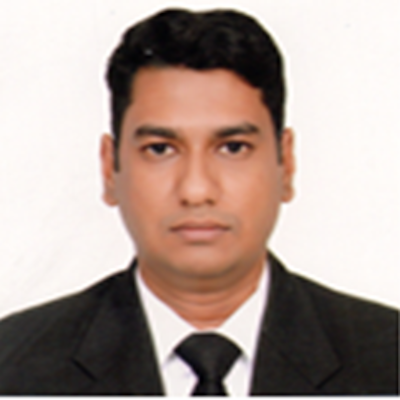
Aroop Saha, PhD
Dr. Aroop Saha is a researcher with a deep interest in Indigenous Literature, Postcolonial Studies, Cultural Studies, and Literary Theory. He currently serves as the Director of the UITS Research Center and an Associate Professor in the Department of English at the University of Information Technology & Sciences (UITS), Bangladesh. Over the course of his career since 2007, Dr. Saha has taught both undergraduate and graduate students at several well-known universities across Bangladesh. He earned his Ph.D. in English from Jahangirnagar University, Bangladesh, following his M.A. and B.A. in English from BRAC University, Bangladesh.
Research Topic:
Indigenous Wounds of the Signs: Post-Crisis Period’s Semiotic Violence and the Limits of Representation in National Literature of Bangladesh
University Affiliation: University of Saint Joseph, Macao
Research Advisor: /
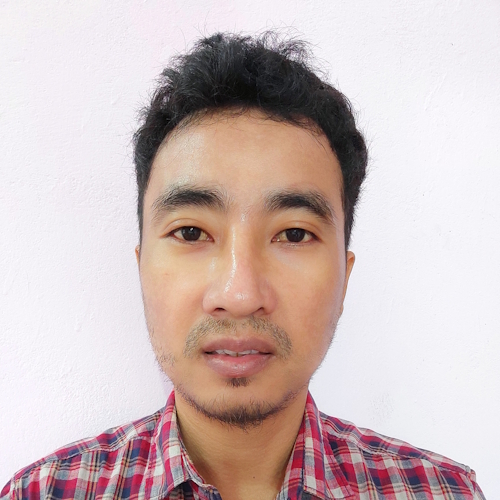
Sijousa Basumatary, PhD
Sijousa Basumatary completed his schooling at St. Antony’s School, Gossaigaon, in 2002 and earned a Master’s degree in Economics from Gauhati University, Kokrajhar Campus, in 2012. He joined Bodoland University as an Assistant Professor in 2014 and obtained his Ph.D. in Economics from the same institution in 2023. At Bodoland University, Sijousa Basumatary teaches Statistics, Mathematics, and Econometrics for Economic applications at the postgraduate level. Since 2025, he has also been actively involved in teaching Ph.D. coursework and supervising doctoral research, currently guiding two scholars. His research interests lie in the areas of rural development, climate change, and energy economics, with a focus on the interlinkages between energy use, sustainability, and economic development. Beyond academics, he maintains a keen interest in reading and sports.
Research Topic: Bhutan-Origin River’s Impact in Assam: A Study on the Vulnerability and Adaptation of Households in Key Downstream Districts (With special focus on Kokrajhar and Chirang Districts)
University Affiliation: Grigol Robakidze University, Tbilisi, Georgia
Research Advisor: Prof. Tengiz Taktakishvili
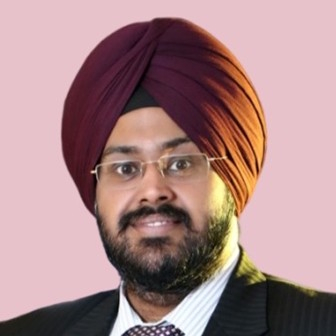
Amrinder Singh, PhD
Dr. Amrinder Singh is a distinguished academician and researcher with over 19 years of experience in marketing, leadership, and innovation. He currently serves as a Professor at Jain University, Bangalore, and holds a Ph.D. in Marketing from Punjabi University, Patiala. Dr. Singh has published 42 research papers and 17 book chapters in Scopus-indexed and international journals, authored five books, and holds 17 patents in management and innovation. His research spans e-commerce, digital marketing, artificial intelligence in business, and financial markets. He has also presented over 50 research papers at national and international conferences.
Research Topic: “Marketing in a Regenerative Economy: Using Industry 5.0 Enablers to Promote Circular Consumption Patterns”
University Affiliation: Grigol Robakidze University Georgia (GRUNI)
Research Advisor: Dr. Tengiz Taktakishvili