Category: Blog

Photo credit: https://nist.libguides.com/citations_and_references
Blog

On References and Citations

During the past years, I have had the opportunity to review and edit a good number of manuscripts, all of which reported excellent researches. However, I found much confusion concerning the organization of a manuscript, the sequence of the sections, and what each should report. Therefore, in the present blog post, I will start by explaining the difference between a reference and a citation, which are indeed related concepts often used in academic and scholarly writings, but they serve slightly different purposes. A citation is a specific mention of a source within the text of a document or paper. It typically includes information such as the author’s name(s), publication year, and sometimes page numbers (for direct quotations). Citations are reported to acknowledge the sources of information, ideas, data, or quotes in the paper. They provide a way for readers to locate the exact source of referencing. Citations are usually included within the body of the text, typically in parentheses or as footnotes, depending on the citation style (e.g., APA, MLA, Chicago). Writing a citation depends on the citation style required to use, as different academic disciplines and publications may have specific formatting guidelines. However, I can provide a general overview of how to write a citation using the two most common citation styles: APA (American Psychological Association) and MLA (Modern Language Association). APA Style Citation: In APA style, citations typically include the author’s last name, the publication year, and sometimes page numbers (for direct quotations). The format for an APA citation is as follows: In-text Citation: For a paraphrased idea or information: (Author’s Last Name, Year) Example: (Smith, 2020) For a direct quotation: (Author’s Last Name, Year, Page Number) Example: (Smith, 2020, p. 45) Reference List Entry: For a book: Author(s) Last Name, First Initial(s). (Year of Publication). Title of book. Publisher. Example: Smith, J. (2020). The Art of Writing. Academic Press. Reference List Entry for an Article in a Journal: Author(s) Last Name, First Initial(s). (Year of Publication). Title of the Article. Title of Journal, Volume(Issue), Page Range. Example: Johnson, A. (2019). The Impact of Climate Change. Environmental Science Review, 12(3), 234-256. MLA Style Citation: In MLA style, citations typically include the author’s last name and page numbers (for direct quotations) within the text. The format for an MLA citation is as follows: In-text Citation: For a paraphrased idea or information: (Author’s Last Name Page Number) Example: (Smith 45) For a direct quotation: (Author’s Last Name Page Number) Example: (Smith 45) Works Cited Entry: For a book: Author(s) Last Name, First Name. Title of book. Publisher, Year. Example: Smith, John. The Art of Writing. Academic Press, 2020. Works Cited Entry for an Article in a Journal: Author(s) Last Name, First Name. “Title of Article”. Title of Journal, Volume(Issue), Year, Page Range. Example: Johnson, Alice. “The Impact of Climate Change”. Environmental Science Review, vol. 12, no. 3, 2019, pp. 234-256.   Remember to check the specific citation style required for the publication, as there are other citation styles (e.g., Chicago, Harvard, IEEE) with their own formatting rules. Always provide as much information as necessary to allow readers to locate the source that is being cited accurately. A reference, on the other hand, is a more comprehensive entry in a list or bibliography at the end of a document. This list is often referred to as the “References”, “Works Cited”, or “Bibliography” section, depending on the citation style. References provide detailed information about the sources cited in the paper. This information typically includes the author(s), title of the work, publication date, publisher, and other relevant details. References are organized alphabetically and serve as a comprehensive list of all the sources consulted and cited in a paper or document. Readers can use the reference list to locate the full publication information of the sources. The format for creating a reference entry can vary depending on the type of source (e.g., book, journal article, website, etc.) and the specific citation style (e.g., APA, MLA, Chicago, Harvard). Here is a general overview of how to write a reference entry for different types of sources using the APA and MLA styles: APA Style Reference Entry: In APA style, the reference entry for different types of sources follows a specific format. Here are examples for common types of sources: Book: Author(s) Last Name, First Initial(s). (Year of Publication). Title of book. Example: Smith, J. (2020). The Art of Writing. Academic Press. Journal Article: Author(s) Last Name, First Initial(s). (Year of Publication). Title of the Article. Title of Journal, Volume(Issue), Page Range. Example: Johnson, A. (2019). The Impact of Climate Change. Environmental Science Review, 12(3), 234-256. Website: Author(s) (if available). (Year, Month Day of Publication or Update). Title of the Web Page. Website Name. URL Example: National Aeronautics and Space Administration. (2021, June 15). Mars Exploration Program. https://mars.nasa.gov/ MLA Style Works Cited Entry: In MLA style, the works cited entry format is slightly different from APA. Here are examples for common types of sources: Book: Author(s) Last Name, First Name. Title of book. Publisher, Year. Example: Smith, John. The Art of Writing. Academic Press, 2020. Journal Article: Author(s) Last Name, First Name. “Title of Article”. Title of Journal, Volume(Issue), Year, Page Range. Example: Johnson, Alice. “The Impact of Climate Change”. Environmental Science Review, vol. 12, no. 3, 2019, pp. 234-256. Website: Author(s) (if available). “Title of the Web Page”. Website Name, Publication Date (if available), URL. Example: National Aeronautics and Space Administration. “Mars Exploration Program”. NASA, 15 June 2021, https://mars.nasa.gov/   These examples should help create reference entries for various types of sources in both APA and MLA styles. In addition, many digital tools for preparing the list of references are present online, such as Google Scholar (Cite option) for instance, but also, EndNote, Mendeley, Zotero, etc., which provide citations in the format preferred. Be sure to consult the specific guidelines for the citation style required to use, as there may be variations in formatting for different source types and additional details to include depending on

Read More »
Photo Credit: ©nataliaderiabina - stock.adobe.com
Blog

Getting back to work!

Getting back to work after a vacation can be challenging, but with some planning and a positive mindset, you can transition smoothly. Most of us have to manage a number of duties together with organizing the new academic year. Here are some tips to help you get back to work effectively. First, notify your colleagues and manager about your vacation dates well in advance. Delegate tasks and responsibilities to team members, if possible. Set up an out-of-office email or message with information about your absence and an alternative contact person in case of emergencies. Second, if your schedule allows, consider returning a day early to give yourself time to unpack, catch up on personal tasks, and adjust to your home environment before heading back to work. Then, on your first day back, focus on essential tasks and avoid scheduling meetings or appointments that can wait. This will give you time to catch up on emails and urgent work. Before you start working, tidy up your workspace. A clean and organized desk can help create a positive work environment. Use tools like calendars, to-do lists, and project management software to stay organized and keep track of your tasks and deadlines. Then, take some time to review your to-do list or tasks from before your vacation. Identify any urgent matters or pending assignments that require immediate attention. Start by going through your emails and messages methodically. Sort them by priority and tackle the most critical ones first. Avoid the temptation to check everything at once, as this can be overwhelming. It is important that you give yourself short breaks throughout the day to prevent burnout. Use these breaks to stretch, grab a healthy snack, or take a short walk. Understand that it may take a little time to fully adjust to work mode after a vacation. Be patient with yourself and stay positive. Then, having something to look forward to, like planning your next vacation or time off, can help ease the post-vacation blues. Finally, as you ease back into work, make an effort to maintain a healthy work-life balance. Don’t overcommit or overextend yourself right away, because everyone’s experience returning from vacation is different, and it’s okay to take some time to readjust. By following these tips and giving yourself some grace, you can make the transition back to work smoother and more manageable. Starting a new year with new students as a professor is an exciting opportunity to create a positive and productive classroom environment. So, first of all, ensure that your classroom is clean, organized, and welcoming. Arrange desks or seating in a way that promotes interaction and engagement. Decorate the classroom with a warm and inviting atmosphere that reflects your teaching style and personality. On the first day, establish clear rules and expectations for behavior, participation, and work ethic. Be consistent and fair in enforcing these rules throughout the year. Plan icebreaker activities to help students get to know each other and build a sense of community in the classroom. This can help create a positive and inclusive environment from the start. Make an effort to learn and remember each student’s name as quickly as possible. This demonstrates that you value them as individuals and creates a more personal connection. Take time to learn about your students’ interests, strengths, and weaknesses. This will help you tailor your teaching to their needs and make learning more relevant and engaging. Take time to build positive relationships with your students. Show genuine care and interest in their well-being and academic progress. A strong teacher-student relationship can enhance learning and classroom dynamics. Provide an overview of the course syllabus, highlighting key topics, grading criteria, and your expectations. Answer any questions students may have about the course. Discuss with your students what they hope to achieve during the school year. Encourage them to set personal and academic goals. Share your own goals and teaching philosophy to create a sense of purpose. Share your preferred method of communication with students and parents, whether it’s email, a class website, or a communication app. Ensure students know how and when to contact you. Foster a positive and respectful classroom culture where students feel safe to express their ideas, ask questions, and make mistakes. Encourage open dialogue and active participation. Be enthusiastic, approachable, and passionate about your subject. Recognize and celebrate both individual and class achievements, no matter how small. Positive reinforcement can motivate students and foster a sense of accomplishment. Your attitude sets the tone for the entire class, so model the behavior and attitude you want to see in your students. Understand that each student is unique, and not every teaching approach will work for everyone. Be open to adapting your teaching methods to accommodate different learning styles and needs. Continually assess your teaching methods and classroom management strategies. Be willing to adapt and improve based on feedback from students and your own observations. Remember that the first few weeks of the school year are crucial for setting the tone and expectations.     References Amato, N. (2017). The business reasons to take a vacation. Journal of Accountancy, 223(6), 20. Quick, T. L. (1990). Healthy work: Stress, productivity, and the reconstruction of working life. National Productivity Review, 9(4), 475-479. Sousa, C., & Gonçalves, G. (2021). Back to work bang! Difficulties, emotions and adjustment strategies when returning to work after a vacation. The International Journal of Human Resource Management, 32(10), 2242-2263.

Read More »
Photo credit: https://www.peakpx.com/en/hd-wallpaper-desktop-agwkp
Blog

Stay Safe and Cool!

People perceive heat through the sense of touch and temperature receptors located in the skin. The perception of heat is a result of how these receptors respond to the thermal energy of objects or the surrounding environment. The skin contains specialized nerve endings called temperature receptors or thermoreceptors, which are sensitive to changes in temperature. There are two primary types of thermoreceptors: cold receptors – also known as cold fibers, and warm receptors – also known as warm fibers. When an object or the environment is at a different temperature than our skin, it transfers thermal energy to our skin upon contact or exposure. The amount of thermal energy transferred depends on the temperature difference between the object and the skin. When thermal energy reaches the thermoreceptors, it triggers nerve signals to be sent to the brain through the nervous system. The brain receives these nerve signals and processes the information. Depending on the type of thermoreceptor activated (cold or warm), the brain interprets the signals as sensations of coldness or warmth. The perception of heat occurs when warm receptors are stimulated, indicating that the temperature is higher than the baseline temperature of the skin. In contrast, the perception of cold occurs when cold receptors are stimulated, indicating a lower temperature than the baseline of the skin. Human skin has a range of sensitivity to temperature, and it can detect temperature differences as small as 0.1°C (0.18°F). Temperatures outside the body comfort zone can be perceived as either hot or cold, depending on the direction of the temperature change. Heat perception can be subjective, and individual factors like age, gender, and past experiences can influence how someone perceives heat. Additionally, prolonged exposure to extreme temperatures can desensitize the thermoreceptors, leading to altered perceptions of heat and cold over time. Heat perception is essential for several reasons and is a sort of survival mechanism that helps avoid potentially harmful situations and maintain equilibrium of the body. The human body needs to maintain a relatively stable internal temperature for optimal physiological functioning and this is called thermoregulation. When exposed to high temperatures, the body needs to recognize this increase in external heat and respond accordingly. Perception of heat prompts physiological responses, such as sweating and vasodilation (expansion of blood vessels) in the skin, which aid in cooling the body and preventing overheating. Heat perception serves as a warning system, helping individuals avoid contact with excessively hot objects or surfaces that could cause burns or injuries. This sense of heat prevents accidental harm by signaling that a surface, liquid, or environment is potentially dangerous due to its elevated temperature. The ability to perceive heat influences human behavior and allows people to adapt to their environment. For example, when it is hot outside, people are more likely to seek shade, wear lighter clothing, or consume cool drinks to maintain comfort and avoid heat-related illnesses. Heat perception enables individuals to assess their surroundings and make appropriate decisions. For instance, recognizing extreme heat can prompt people to take precautions during heatwaves or avoid venturing into areas with high temperatures, thus protecting their health and well-being. Heat perception also contributes to our ability to discern temperature differences. It helps us identify when something is warmer than our body temperature or when there are fluctuations in temperature, allowing us to adapt our behavior and clothing choices accordingly. Overall, the perception of heat is a vital aspect of human survival, helping us maintain homeostasis, avoid harm, and make informed decisions about our environment and activities in response to temperature changes. Keeping cool during hot weather is essential to avoid heat-related illnesses and maintain comfort. Here are some effective ways to stay cool. Drink plenty of water throughout the day, even if you do not feel thirsty. Hydration helps regulate body temperature and prevents dehydration, which can worsen heat stress. Consume light and refreshing meals that do not require cooking, as using the stove or oven can add heat to your living space. Opt for lightweight, loose-fitting, and light-colored clothing. Light colors reflect sunlight, while loose-fitting clothes promote better airflow and allow sweat to evaporate more easily. If available, use fans or air conditioning to cool indoor spaces. Fans can help circulate air, and air conditioning provides significant relief from high temperatures. Taking cool showers or baths can help lower body temperature and provide immediate relief from the heat. Apply wet towels or damp clothing to your skin to create a cooling effect through evaporation. This is particularly effective when combined with a fan or sitting in a breezy area. Stay in shaded areas when outdoors, especially during the hottest parts of the day (usually midday). Shade provides relief from direct sunlight and can significantly reduce heat exposure. Minimize outdoor activities during the hottest parts of the day. If you need to be outside, try to schedule activities for the early morning or late afternoon when it is cooler. If possible, take advantage of swimming pools, lakes, or beaches to cool off. Water activities can be both fun and cooling during hot weather. If you are not used to hot weather, try to acclimate yourself gradually by spending short periods of time outdoors in the heat and gradually increasing the duration over several days. Keep an eye on weather forecasts and heat advisories. This will help you plan your activities and take necessary precautions during extreme heat events. Extreme heat can be dangerous, especially for vulnerable persons like the elderly, children, and individuals with certain medical conditions. If you or someone else shows signs of heat-related illness, such as heat exhaustion or heatstroke (e.g., dizziness, nausea, rapid heartbeat, confusion), seek immediate medical attention. References Hensel H. 1974. Thermoreceptors. Annu Rev Physiol. 36:233-49. doi: 10.1146/annurev.ph.36.030174.001313. Miller VS, Bates GP. 2010. Hydration, hydration, hydration. Ann Occup Hyg. 54(2):134-6. doi: 10.1093/annhyg/mep091. Mrowka R, Reuter S. 2016. Thermoregulation. Acta Physiol (Oxf). 217(1):3-5. doi: 10.1111/apha.12664. Tansey EA, Johnson CD. 2015. Recent advances in thermoregulation. Adv Physiol Educ. 39(3):139-48. doi: 10.1152/advan.00126.2014.

Read More »
Blog

Repositioning Health into our Mainstream Education System: Lessons for post-COVID-19 From the Global South

The news coverage of the COVID-19 pandemic in early 2020 populated Western media with images of stockpiling. Images of empty shopping isles circulated on social media as frenzied shoppers disregarded their fellow citizens. In many ways, COVID-19 did mark a departure, shaking up a dormant Western society that had grown up accustomed to a high consumer lifestyle giving a false sense of security for far too long. The anthropologist Arthur Kleinman (2006), in his book, ‘What Really Matters: Living a Moral Life amidst Uncertainty and Danger’, explores the premise of an uncertain and dangerous life, and the very human struggles we face to hold onto the things that matter most to us; a reality that surged during the pandemic. Despite endless entertainment at our fingertips, feelings of isolation gripped many people in many parts of the world, primarily driven by mandatory quarantine. The Office of National Statistics (ONS) reported that 5.0% of the people in Great Britain described feeling lonely before the lockdown due to Covid-19, and feeling lonely ‘often’ or ‘always’ between April and May 2020. Some people (30.9% – 7.4 million) reported their wellbeing had been affected by feelings of loneliness after seven days of lockdown. The relation among people, education and health has gone largely unnoticed before the pandemic. The rise of mental health issues amongst youth in the United Kingdom during the pandemic provides legitimacy in reassessing our current mainstream education and whether a curriculum facilitating empowerment that enables students to manage uncertainty is necessary. From this premise, this blog argues that there is a disconnection between health institutions and education. The mainstream education system in the UK has favoured an academic intensive curriculum that seems to benefit the marketplace irrespective of the stress and anxiety experienced by students (Illich, 1973). The global education institution suffered greatly during the pandemic as teachers grappled with online platforms, student engagement dropped, and educational inequities emerged as many students were left a drift due to school closures (Milam, 2021; Pandya, 2020).   Despite the comforts and technological advancements in Britain, statistics show that there is a struggle with internal processes of joy and empowerment. The question that emerges from the COVID-19 experience within a British context is why are people struggling to manage their external world with joy? Data from the UK Government observed an 81% rise in number of referrals to child and adolescent mental health services from April to September 2021 (Hall, 2022). In order to address this question, one must examine the broken link between mainstream education and health. The individualistic and reductionist worldview normalised by a pedagogy of competition are pillars that govern the Education system in Britain (Giroux, 2001). Moving forward, what are the opportunities that can be explored with a transformative educational approach principled on child wellbeing? Illich (1973, p.19) argued: ‘’The commodity called “education” and the institution called “school” make each other necessary. The circle can be broken only by a widely shared insight that the institution has come to define the purpose. Values abstractly stated are reduced to mechanical processes that enslave men. This serfdom can be broken only by the joyful self-recognition of the fool who assumes personal responsibility for his folly.’’ Being healthy and managing the external world are fundamental teachings found in ancient wisdom, like the African philosophy of Ubuntu – I am because we are (Ngomane, 2019); Hinduism, Buddhism, Ancient Mayanism, and Daoism are some examples. Thus, there is much scope for Western societies to adopt and introduce Southern epistemologies on concepts like, balance, oneness, internal processes of empowerment and joy. Many rural, marginalised, and indigenous people who remain uncolonised in their way of thinking and approaches practice such concepts and are part of their traditional knowledge systems. If the void between education and health continues to be ignored generations of people will continue to struggle with life’s dangers. The lessons from the pandemic are opportunities to reassess how we define development, health, wealth, and happiness. The endless pursuit of knowledge will continue to erode the health and wellbeing of society members if left unaddressed. This blog invites you to reimagine an education system that promotes wellbeing of students through a pedagogy of empowerment. References: Giroux, H. A. (2001). Theory and Resistance in Education : Towards a Pedagogy for the Opposition. Bergin & Garvey. Hall, R. (2022). Pandemic still affecting UK students’ mental health, says helpline. The Guardian. Online. Available at: https://www.theguardian.com/education/2022/nov/14/pandemic-still-affecting-uk-students-mental-health-says-helpline-covid Illich, I. (1973). Tools for conviviality. London: Boyars Kariyawasam, T. (2014). The Buddha’s teaching methodology. [Online]. Available at: https://www.dailymirror.lk/opinion/172-opinion/52101-the-buddhas-teaching-methodology.html Kleinman, A. (2006). What really matters : living a moral life amidst uncertainty and danger. Oxford ; New York: Oxford University Press. Milam, G. (2021). COVID-19: Parents who lost teenagers to suicide in lockdown issue warning – ‘there’s going to be a lot of PTSD’. [Online]. Available at: https://news.sky.com/story/covid-19-parents-who-lost-teenagers-to-suicide-in-lockdown-issue-warning-theres-going-to-be-a-lot-of-ptsd-12221072. Ngomane, M. (2019). Everyday Ubuntu. London: Transworld Publishers. Pandya, P. (2020). Effect on mental health issues during the COVID-19 pandemic. British journal of general practice, 70 (697), p.382. [Online]. Available at: doi:10.3399/bjgp20X711857. Vivekananda, S. (1989). The complete works of Swami Vivekananda. Calcutta: Advaita Ashrama. [Online]. Available at: https://holybooks.com/complete-works-of-swami-vivekananda/.

Read More »
Blog

Social distance: from classical sociologists to pandemic period

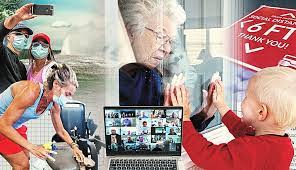
One of the concepts that will indissolubly remain linked to this long, exhausting fight against COVID-19 is “social distancing”. This is the idea that, being at a good distance from each other (1 meter? 3 meters? 8 meters?), we are protected against possible virus contamination. The aim of this sort of distancing is also to reduce the likelihood of contact among people who have an infection, to minimize disease transmission and, in some cases, death. The theme of social distancing has been a topic that sociologists of the early ‘900 investigated very rigorously, suggesting a set of meanings are different from the those that today seem to characterize the choices on how to contain the pandemic. Significantly, among other things, improper use of the concept of social distancing explicitly clashes with the strong conviction, also in mass media during those difficult days, that “united we would make it”. Social distancing as a common force to combat the pandemic, in short, appears more and more as an oxymoron, because in reality, the call to give a hand to those who cannot make it, to be united, to form a group, in a few words to “make a community” is exactly the opposite of social distancing. Community means working closely, caring for oneself and others, social solidarity, networking and group (Forastiere et al., 2020). In the tradition of sociological studies, one of the first references to the concept of social distance is found in Simmel, who introduces the concept of Soziale Distanz, where the theme of distance takes shape in the framework of handling space and spatial systems of society. Simmel considers space as a logical and perceptive “opener”. In this sense, space is not something to be experienced, but a psychic content in which the soul experiences itself. Space is located at a time where the passage into it from the outside and the interaction of individuals with it is completed by revealing psychosocial content. In short, in a non-physical sense, the nature of space is social. Its forms and meanings are therefore the result of social, material and symbolic practices. According to Simmel, the process of distancing is at the basis of the construction of social groups and the establishment of relationships, which are influenced by prejudices and attitudes that create different levels of social distance among people (Simmel 1890). Social distance, defined as relational closure and the unavailability of a person to other persons who are perceived and recognized as different from themselves based on specific social categories, is the result of a set of factors placed on three dimensions: physical, symbolic and geometric. The first dimension concerns the placement of people in space (residential neighbourhoods, places of work and leisure); the second concerns the cultural categories used by people to know and explore social reality; and the third concerns the relationship between the organization of physical space and categorical production (Cesareo, 2007). Furthermore, there are three basic aspects of social distancing: 1) perceiving, 2) shaking, and 3) suffering. The first refers to people’s perception of a contact with others based on distance. The second concerns the relationships, in everyday life, that people have with each other, and that they would like to shake off. The third concerns a person’s relationship with people who do not seem to want to have anything to do with him or her (Bichi, 2008). Robert Park, in the early 1920s, defined space as “an attempt to reduce the quality and degrees of understanding and intimacy that characterize personal and social relationships in general to something measurable in purely physical terms” (Maturo, 2007). Instead, space is the degree of closeness or intimacy that an individual or group feel towards another individual or group in a social network, the level of trust the people in a group have for each other, and the degree of perceived similarity of beliefs.   References Salute pubblica, libertà individuale e controllo sociale. Le vaccinazioni obbligatorie in Italia in «Salute e Società» 2020. Digital Health and the Gamification of Life: How Apps Can Promote a Positive Medicalization. Emerald Publishing, 2018. Sociologia della salute. Prevenzione sociale e sanitaria delle malattie. Rubbettino, 2016. Forastiere F, Micheli A, Salmaso S, Vineis P. Epidemiologica e Covid-19 in Italia. Epidemiologia & Prevenzione (Editoriale), 24 (2), 2020. OECD Indicators, OECD Publishing, Paris DOI https://doi.org/10.1787/health_glance_eur-2018-en Maciocco G. Emergenza Coronavirus: tempi di precarietà. Epidemie e globalizzazione. welforum.it, 31.03.2020. Maturo A., Sociologia della malattia. Un’introduzione, FrancoAngeli, Mi, 2007. Bichi R. La distanza sociale. Vecchie e nuove scale di misurazione, FrancoAngeli, Milano, 2008. Cesareo, V. La distanza sociale. Una ricerca nelle aree urbane italiane, FrancoAngeli, Milano, 2007.

Read More »
Blog

The ESI and the SDG Publishers Compact

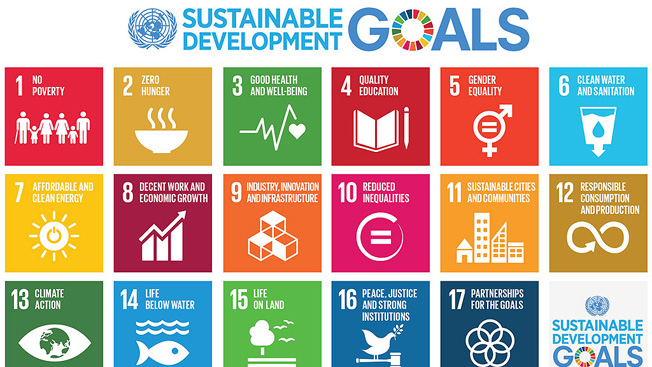
This July 2022, the European Scientific Institute, next to its several peer reviewed journals, among which is one of the largest interdisciplinary journals in Europe – the European Scientific Journal, ESJ, launched on its website a new platform specifically devoted to the publication of preprints.  Respecting the tradition of ESI, its Preprints platform is a multidisciplinary floor that allows all scientific manuscripts from all fields of research immediately available. Preprints are various types of research papers that have neither been subjected to peer-review nor published in a journal. In most cases, they can be viewed as completed or almost completed articles that are nonetheless ready to be shared with the international scientific community. All preprints undergo a short screening and if they pass the screening process are posted online in open access format under a Creative Commons Attribution 4.0 International (CC BY-NC-ND 4.0) license. Once online, preprints can be downloaded, shared, and cited. This gives maximum visibility to authors while ensuring their proper recognition for their work. With preprints, authors are in control of when their work appears, and if they want to change or add to the paper, they can submit a new version at any time. To ensure that citations are not affected, preprints assigned a DOI will have a new DOI issued for each version. An article published as preprint can be submitted, and after the peer review, can be published in any scientific journal. The ESI preprints platform is only the most recent project the ESI has designed to help reach the 17 sustainable development goals (SDG) set by the United Nations. Indeed, ESI as member of the SDG Publishers Compact has the SDGs at heart among its objectives. All ESI activities, its books, journals and its preprints platform are open to all researchers regardless of their gender, religion, race, geographical origin and nationality, and with its low publication fees is committed to SDG 5 (Gender Equality) and SDG 10 (Reduce Inequalities). ESI books, journals and preprints are all open access, and the preprints are a fast way to make researchers’ scientific works immediately available to the international scientific community, so contributing to SDG 4 (Quality Education), and SDG 10 (Reduce Inequalities). SDG 4 is also promoted through ESI several peer reviewed journals, and the many Conferences and forums organized in all parts of the world, which gather scholars with different backgrounds to share their scientific outcomes. Quality Education is also a main aim of the ESI Post-doctoral programs 1) Social Sciences and Humanities in a Post-Crisis Period; 2) Computer Sciences and Engineering; 3) Life and Natural Sciences in a Post-crisis Period; and 4) New Technologies and Law. The programs are in both English and Spanish, and to this aim, the ESI is partnered with many Universities all around Europe, which are involved with post-doc higher education of scholars all around the globe. Furthermore, the many partnerships of ESI with universities, research institutes and industries all over the world favor SDG 9 (Industry Innovation and Infrastructure) and 17 (Partnerships for the Goals). All of this work and all the effort in helping, as publisher, in developing the Goals set by the United Nations are possible only thanks to your joint commitment as people, researchers, scholars and academics all over the world, which I thank, and I hope that we will continue to work together for years to come.

Read More »
Blog

MIFS Conference

The 10 th Mediterranean Interdisciplinary Forum on Social Sciences and Humanities is over, and by now, all of us who attended are back at home and to our normal daily activities. After two difficult years for everyone, we have finally had the chance to all meet in person. I had never been to Tenerife before, but immediately after landing, I realized that I had arrived in a gorgeous island inhabited by welcoming and serene people. With its mild and gentle temperatures, Tenerife embraced all of us with days of sunshine and warm, calm waters. Tenerife, like all over Spain, offers a restful atmosphere on its beaches and in the hundreds of little restaurants and cafés located all around the island, which offer delicious food and refreshing wines. More than ever, I wanted to thank all of you who had the chance to share this wonderful experience with me, for your time and dedication. As a result of our participation, we were able to contribute interesting and inspiring presentations to advance social sciences and humanities, with the support of professionals and researchers around the world. Indeed, we came to La Laguna University from 13 different countries, scattered in all continents. In my opinion, a conference is not only a moment for presenting our scientific work, but it is also a moment for sharing, for listening, for exchanging among people who have common scientific interests. Furthermore, an international conference like the one we just attended in Tenerife, is also and foremost an opportunity for professional and personal relational enrichment. I warmly thank all the Colleagues and friends from the University of La Laguna for their professional and accurate organization, and for making all of us feel at home. Especially, I thank Jovan and Dejan for their tireless work and support to all of us, and mostly, for their smiles and friendship. I thank all of you once again, and I hope that you will continue to support ESI, its journals and all its activities.

Read More »
Blog

Book Review: The Craft of Scientific Writing (by Michael Alley)

I am writing this book review of Michael Alley’s The Craft of Scientific Writing[1]  (Springer) to alert readers of the ESI Blog of this excellent resource to improve your writing. Back in 1964, the Canadian philosopher Marshall McLuhan  gained fame with his seminal essay The Medium is the Message[2] which argued that the medium of a message was just as important as its content.  McLuhan presaged the rapid movement of information and data from the printed page to the electronic screen.  When I wrote my first scientific paper in 1972, all scientific articles were printed; now most are viewed electronically.  My first paper was composed on a typewriter and submitted to the journal editors in triplicate; now all submissions are electronic.  My first literature searches used the printed Index Medicus[3] ; fifty years later, I search PubMed[4] electronically. To its credit, the European Scientific Journal accepts submissions in English, French, and Spanish.  Nonetheless, the de facto twenty-first century language of science is British or American English.  Work that is widely read or widely cited is written in English.  Alley aims to improve the scientific writing of scientists and engineers who write in English. This is a very good book that I highly recommend. It is in its fourth edition and has been improved since its original publication in 1987.  Alley states in his preface that “as an engineer or scientist, your writing affects not only how much credit you receive for your work but also how much influence your work has. (page vii)”.  Alley eloquently concludes his preface with a “… wish that this book would make your scientific writing easy.  Unfortunately, scientific writing is hard work. The best scientific writers struggle with every paragraph, every sentence, every phrase.  They write, then rewrite, then rewrite again….(page ix)”. As editors and peer reviewers, we evaluate both the medium and the message of each submission.  The message of a submission reflects the quality of the research.  The medium reflects the quality of the scientific writing.  At the European Scientific Journal, we are committed to helping authors submit their best content combined with their best writing. This book is filled with sage advice, illustrated by wonderful writing examples (what to do and what not to do). I recommend reading this book cover to cover including the superb appendices on grammar, punctuation, word usage, and document formatting. A few of Alley’s recommendations deserve emphasis. Pick a descriptive title that engages the reader. The title should convey the main point of your article and give the reader a compelling reason to read it.  My very first paper published had a bland title “Studies on the mechanism of action of nerve growth factor”[5].  In retrospect, I could have used a more engaging title such as “Nerve growth factor stimulates the synthesis of microtubule protein”. Avoid unprofessional informality.  Many, otherwise good submissions, are marred by excessive informality.  The use of contractions such as it’s, shouldn’t, wouldn’t, don’t, couldn’t do not belong in formal scientific writing. Alley is opposed to the use of & for and, the use of vs. for versus, and the use of et al. for and others. Aim for both clarity and precision.  Scientific writing needs to be both precise and clear.  Precision means that you have conveyed your meaning without confusion or ambiguity.  Clarity means that the reader can grasp your meaning and intent without undo effort. Avoid unnecessary complexity.  Alley quotes Einstein who wrote “In scientific writing, keep things as simple as possible, yet no simpler”[6].  In general, the complexity of writing increases with the number of words in a sentence and the length of the words used.  Complexity can be reduced by using smaller words, avoiding jargon, avoiding indecipherable abbreviations, and writing shorter sentences.  Reading level is calculated by the Flesch Kincaid metric which considers word length and sentence length.  Alley recommends aiming for a reading level of 10-13.  Microsoft Word will automatically calculate the Flesch Kincaid reading level[7].  Word calculates the reading level of this book review as 10. Avoid ambiguity.  Ambiguity occurs when competing and incompatible interpretations of your writing is possible.  Alley gives an example of an ambiguous sentence such as “The proposed schedule is discussed below for the next four years.”  It is unclear whether the schedule is for four years, or whether the discussion is for four years. Aesthetics matter.  Alley believes that good scientific writing  is precise, concise, and clear.  But it is also beautiful.  He finds aesthetically unpleasing writing distasteful.  He especially dislikes the use of TITLES OR SUBTITLES IN ALL CAPITALS hard to read and ugly.  He does not like the use of excessive abbreviations with periods.  He prefers CNS to C.N.S. (central nervous system), AMU to A.M.U. (atomic mass unit), and ICU to I.C.U. (intensive care unit).  He is always looking for more aesthetically pleasing phrasing such as arranged for made the arrangement for, decided for made the decision, and measured for made the measurement of. Alley has useful lessons on moving from the familiar to the complex, optimal organization of content, methods for providing proper emphasis, and  tips for using your writing time efficiently. Finally, Alley concludes by distinguishing between the process of revising and the process of finishing a document. Revising is the iterative process of improving the document through repetitive edits to improve clarity, precision, and organization. Finishing is the final step of ensuring that the document is free of errors in grammar, spelling, and punctuation just prior to submission. On personal note, I found this book extremely helpful.  I recommend it without reservation.  Some non-primary English speaking writers may find it too difficult to grasp.  Although I engage in extensive revising and finishing of my own documents, I am always surprised to discover that some errors slip through my review process at the time of submission. Like Alley, I believe that reading aloud a document is important to catching errors. For those of you with Microsoft Word, this process can be automated with the Read Aloud option[8]. 

Read More »
Blog

On Inclusive Language

During these past years, I have had the honor to serve as a Specialty Chief Editor for the Humanities section of the European Scientific Journal (ESJ), and more recently, I have also been included in the editorial staff of the International Journal of Linguistics, Literature and Culture (LLC) as Associate Editor. In the past years, I have also reviewed an enormous amount of articles for many different journals that publish diverse themes and subjects around the world. All of these extremely exciting activities have given me the possibility to come across and read a large number of papers. I must say, with profound sadness that I still see much too much non-inclusive language. Coherently, I felt the need to use my blog to further stress the importance of being particularly aware of the language we use, especially in an academic context like the one we live in, in that it should serve as an example for all others. What is inclusive language? Any language that treats people unfairly, insults, or excludes a person or group of persons is non-inclusive language (from https://www.vercidagroup.com/). On the contrary, inclusive language demonstrates awareness of the vast diversity of people in the world. Inclusive expressions don’t presume to know someone’s gender or imply biased or prejudiced ideas. Whether that’s in relation to ethnicity, sexual orientation, gender identity, ability, or any other personal characteristic. Using inclusive language offers respect and belonging to all people — so it’s about more than just avoiding offensive language (from https://medium.com/diversity-together). What can we do? We should all know and remember that paper selection and review process have changed dramatically during the past years. In order for us to be effective writers/reviewers and diversity practitioners, we need to stay abreast of new words, concepts, and trends that impact our work, and we should learn to use the right language in every situation. The way we live, work, and feel has changed during these past years, and so has language. Commonplace expressions of the past may once have been acceptable but in the modern day are offensive.  When we write, sometimes we need to address gender, culture, religion, race, and many many other themes that might represent pitfalls in terms of inclusive language use. However, just like every language, inclusive language is structured on rules and frameworks that we can learn and apply when we write, review/revise a paper. So, please let’s always Put the accent on the person Use gender neutral grammar and statements Avoid phrases with racist, underrepresented, ethnic or cultural offensive meaning Avoid mental health language and derogatory terms Avoid terms or phrases related to disability or diseases in general that might include non-respectful language Use religion neutral statements with all their correlates.   More importantly, let’s learn to think ‘inclusively’ before we write, review/revise, speak. Let’s always learn to consider that when we write, review/revise, speak, we might be negatively connoting a person’s diversity. Franca Daniele

Read More »
doctor-vaccinating
Blog

The COVID Vaccine – What should you expect?

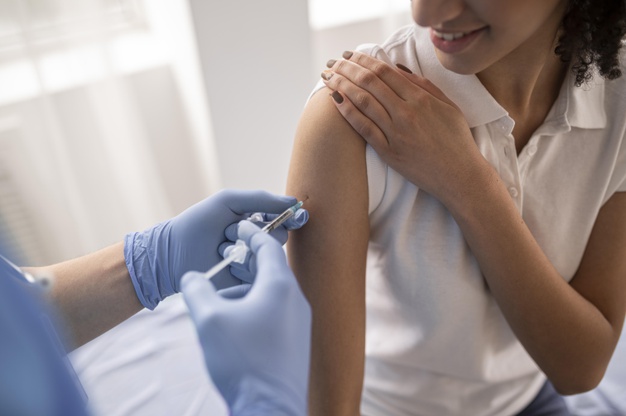
COVID-19 has now been around for a little over a year, and over the past few months, vaccines have been rolling out. There are several two dose vaccines that have been approved for emergency use for the pandemic, as well as several more that should be approved soon, requiring only a single dose (Pfizer, 2021). There has been a fair amount of speculation about the vaccine and what happens to the body once one receives it…Chances are that if you are over age 16, the vaccine will be in your near future so, and you may be wondering. So, here is my account from a nursing perspective. When I arrived at the clinic for my vaccine, they asked me a fair number of screening questions. The typical allergies, name, date of birth etc..- but then they asked more specific questions that I did not expect as part of this screening and feel they are fairly important to pass on: Any other vaccines in the last two weeks? Have you had a positive diagnosis of COVID-19 or received monoclonal antibody therapy? Botox or fillers in the last two weeks? (CDC, 2021,a) So, why are they asking those questions? I had to find out. For previous vaccines in the last two weeks- they want to know so that The current recommendation is that people do not receive the vaccine within two weeks of receiving another type of vaccine. There has not been any research done to identify the outcomes of this. The CDC recommends at this time to avoid. (CDC, 2021,a) Previous COVID Dx: Antibodies stay for approximately 90 days, so it is recommended that they delay getting the vaccine, until more doses are available. (National Center for Immunization and Respiratory Diseases, 2021). Botox/Filler: “In the Moderna mRNA-1273 trial, three reactions were possibly related to dermal fillers out of 15,184 vaccine recipients. It is unknown how many subjects    in the trial had previous treatment with dermal fillers.” (Avram, et al, 2021) The first dose of the vaccine was pretty benign. The injection is given in the upper arm- the deltoid muscle. Because the injection needs to be given in the muscle, a fairly large gauge needle is used- typically between a 22 and a 25, with needle sizes the smaller the number the larger the needle bore (Nakajima et al, 2017). Intramuscular injections typically cause a fair amount of pain afterwards- and this one was no different. Similar to a tetanus shot. Due to the type of vaccine, it needs to be delivered into the muscle. Once the injection is given, they ask for you to wait for 15 minutes for observation period. During this time they are watching you for any type of allergic reaction- trouble breathing, dizziness, itchy tongue etc- this period is extended to 30 minutes if you have had any type of anaphaylaxis in the past (Pfizer, 2021). For me, about 5 minutes after the vaccine I got very anxious- I did some pranayama breathing and it settled down before my 15 minutes was up. Over the next few weeks- I spoke to a dozen or so other people that felt anxious after the vaccine too. I had typical arm soreness that extended down to my wrist the next day- nothing that acetaminophen did not resolve. I also woke up feeling pretty achy- but this resolves as soon as I went for my morning walk…That was it, no other effects. The second dose is given a minimum of 21- 28 days after the first dose- but be sure to check what your wait time is as it varies depending on the brand. It is also very important to make sure that you receive the same brand each time as there has not been any research to determine the effects of two different brands of vaccine (Pfizer, 2021). Again it is administered into the deltoid muscle in the upper arm. I used the opposite arm from the last time- and hardly felt it go in. This time my 15 minutes passed very quickly without incident. Later that evening- about 5 hours after the injection I started to feel a little bit nauseous, but not too bad. That night I had difficulty sleeping, I was very achy, and my fingers swelled enough that I had to remove my wedding rings. The next day I continued to be achy, I was pretty tired, with a mild temperature, and my arm was very sore. All of this was expected after the second dose. After the second dose, they tell you to expect to feel flu-like symptoms (CDC, 2021c), and they were correct. I followed the guidelines and drank plenty of water, ate chicken noodle soup, and stayed on the couch and watched NetFlix- Ok, the last one was not in the guidelines, but it helped me to pass the day, and actually enjoy the break from work! I went to bed early that night and when I woke up the next day, I felt fine. So, a basic timeline, 5 hours after the injection I had nausea, at 10 hours: I started to get achy and my fingers swelled-this continued for about 12 hours, I had a good sleep and felt better. All in all the experience was not too bad, I would definitely do it again, and I as a nurse, I have no reservations that I took the vaccine. If a day on the couch with mild flu-like symptoms was the worst I felt during the pandemic- I consider myself very lucky. It will be interesting to watch the new trials as more medications and vaccines are created to help stop this pandemic. Here is the website to check them out yourself! www.clinicaltrials.gov. References: Avram, M., Bertucci, V., Cox, S., Jones, D., & Mariwalla, K. (2020, December 28). Guidance 2. Regarding SARS-CoV-2 mRNA Vaccine Side Effects in Dermal   Filler Patients. https://www.asds.net/Portals/0/PDF/secure/ASDS-SARS-CoV-2-Vaccine-Guidance.pdf CDC. (2021). Prevaccination checklist for COVID-19 vaccines. https://www.cdc.gov/vaccines/covid-19/downloads/pre-vaccination-screening-form.pdf CDC. (2021). Pfizer-BioNTech COVID-19 vaccine standing orders for

Read More »
Blog

Conspiracy Theories and COVID-19 Vaccine

According to Webster’s Dictionary the definition of conspiracy theory is “a theory that explains an event or set of circumstances as the result of a secret plot by usually powerful conspirators.[1] The human being is always avid to get the right information and explanations about the surrounding events and unknown. Despite non-stop studying, thinking and, setting up experiments to find the answers to our questions, some of these questions may remain unanswered for centuries. Absence of a clear explanation makes people to start think and come up with different theories based on their level of education, understanding and beliefs. Some theories are helpful in moving science forward in order to solve the problems and some theories may act in opposite direction, hindering scientific advancement. None of us have any problem with theories that move science forward. Those theories that are tested in the lab and confirmed as valid should not have much controversy. For example, 5 times 5 is always 25 and you can prove it with multiple methods. We will not have any controversy for that. If a theory is intentionally plotted by a person or group of people to achieve secondary gain, then that theory is considered a “conspiracy theory”. In fact, most conspiracy theories are birthed [intentionally with secondary motif or by misunderstanding], when science comes short in answering all the questions that we may have. If science proves and can explain something clearly, generally no conspiracy theory is able to survive. The COVID-19 pandemic is one of the worst events in the 21st century that has had significant social, economic and personal health impacts. This virus [SARS-2] was new, contagious and killed more than half a million people just in USA in one year. Many questions came up and the unknown, was significantly more than the known. Scientists all over the world started to study the virus, the life cycle, pathogenicity and eventually preventive and therapeutic options. Every simple step that answered one question, produced many more unanswered questions. [2] The mismatch between science’s speed to answer the questions and the number of the unknown, made the field open and ready for giving birth to the conspiracy theory. Those theories, most of the time are theories or thoughts that come out of people minds justifying or explain event base. On the other hand, you always will find some theories that follow secondary gain. Those theories may start as a simple rumor and some of them may become viral in the specific societies. The common denominator of those conspiracy theories is the lack of solid scientific backbone. It has been more than a year since the first case of COVID-19 was reported in China. We have developed vaccines to prevent death and severe cases of that disease. Over the centuries, people always disagreed about using vaccines in treating or preventing the disease. All of us have heard the stories about measles, polio, the diphtheria and many other vaccines. Since the COVID-19 vaccine came to the market, it too brought many stories and theories along with it. Some of the famous ones are very interesting and I am always amazed to see how the theory developed. You have heard this one; that with receiving the vaccine, Bill Gates, Microsoft owner or the government, will implant a microchip in your body and able to control you. It seems during the process of vaccine development, Bill and Melinda Gates foundation and MIT researcher were thinking about adding an invisible ink to be able to keep track of who’s been vaccinated in underserved areas with no medical record. This conversation did not move further than that point, but with a small tweak, this proposal turned to a strong rumor which spread out in the society very fast. [3] Needless to say, these days, with carrying a cell phone, our data and all our movements and information, are recorded somewhere on the Web, so there is really no need to put the microchip in our body, while we willingly carry a mega chip [smartphone] with ourselves everywhere and all the time. Another theory was with using mRNA vaccine, our DNA will change and who knows, what is going to happen to us in future. If anybody knows and has read the cell cycle, one realizes that the function of mRNA and the changing of DNA are two separate processes. This theory sounds very scientific and people believe it due to using some terminology that is interesting and is full of mystery. The last one that I thought is very funny and interesting, is the vaccine decreases the size of male genitalia. Whoever came up with this theory targeted a very sensitive topic. This is a very popular subject to convince people to be on your side of the story.  The annual amount of money that is spent in research for erectile dysfunction and size of the male genitalia, is much more than funding for Alzheimer’s disease. [4] With advancing technology and social media, spreading of conspiracy theories is easier than ever. It is not always easy to quickly identify the secondary motive of a conspiracy theory in on the Web or social media. There is a trend that whatever we see in social media is a fact- and this is sometimes true, so it is hard to differentiate which theory is fact and which one is fiction. Underlying mistrust of officials make those conspiracy theories more believable. [5] Conspiracy theories have been and will continue to be in our world around us. Centuries after centuries, when humans did not find the truth, they came up with myths. Our duty as a member of our society is to listen those theories, check and test them with science and only follow the facts that have solid scientific backbone.   References: https://www.merriam-webster.com/dictionary/conspiracy%20theory Tolouian, Ramin; Tolouian, Audrey C.; and Ardalan, Mohammadreza (2020) “Blocking serine protease (TMPRSS2) by Bromhexine; looking at potential treatment to prevent COVID-19 infection,” Marshall Journal of Medicine: Vol. 6: Iss. 3, Article

Read More »