Author: Franca Daniele

theimportanceofknowingenlgishinamultilingualsociety
Blog

The Importance of Knowing English in a Multilingual Society

In the contemporary world, characterized by globalization, technological advancement, and increasing mobility, multilingualism has become a defining feature of modern societies, in which people from diverse linguistic and cultural backgrounds interact daily in educational institutions, workplaces, digital environments, and international organizations (García & Lin, 2018). Within this multilingual landscape, English has assumed a central role as the dominant language of global communication. While the presence of English as a lingua franca raises important questions about linguistic equity and cultural preservation (Dosmambetova, 2025), its importance in a multilingual society remains undeniable, constituting not only a practical communicative resource but also a powerful instrument for social participation, cognitive development, and intercultural dialogue (Jenkins, 2015). English functions as the principal lingua franca of the modern world, being the official or working language of major international institutions such as the United Nations, the European Union, the World Health Organization, and countless academic and professional associations. Moreover, the majority of scientific publications, technical manuals, and digital platforms are produced in English, transforming it into a dominant gateway to global knowledge (Jenkins, 2015). Individuals who master English are able to access a vast body of research, participate in international conferences, and engage in academic exchange, while those without sufficient English proficiency often encounter significant barriers to information and professional advancement. In a multilingual society, the role of English should not be understood as replacing local or national languages, but rather as complementing them, as multilingual individuals frequently navigate among different linguistic systems, using each language for specific social and communicative purposes, where English serves as a shared medium that enables communication across linguistic boundaries while allowing speakers to maintain their mother tongues (Jenkins, 2015). Research has demonstrated that language coexistence fosters plurilingual competence, which refers to the ability to draw on multiple linguistic resources flexibly, and enhances cognitive functions such as problem-solving, metalinguistic awareness, and creative thinking (Kulkarni, 2012). Thus, learning English within a multilingual framework does not threaten linguistic diversity; instead, it strengthens individuals’ overall communicative and cognitive capacities. Another crucial dimension concerns the relationship between English and education. English proficiency significantly expands educational opportunities, allows access to international academic literature, participation in online learning platforms, and engagement with global scholarly communities (Karpava, 2025). Many of the most influential scientific journals and educational resources are available primarily in English, making the language a key tool for academic success. Furthermore, international student mobility programs, such as exchange and study-abroad initiatives, typically require English as the medium of instruction. Consequently, English functions as an academic bridge that connects learners across nations and disciplines (Karpava, 2025). From a socioeconomic perspective, knowledge of English is closely linked to employment and social mobility, as global labor market and companies increasingly operate across borders and seek employees who can communicate effectively with international partners and clients (Abduraximova & Abdumalikova, 2025). Indeed, English has become a standard requirement in fields such as business, tourism, science, medicine, and technology and workers who possess English skills are more competitive and adaptable, while those who lack them may face limited career prospects (Yunusova & Abduramanova, 2025). In this sense, English can contribute to reducing inequalities by opening access to global networks and professional opportunities. The digital revolution has further reinforced the importance of English. A large proportion of online content, including scientific databases, professional forums, and educational platforms, is produced in English. As digital communication continues to shape social and professional life, English literacy becomes essential for full participation in the global information society and without it, individuals risk digital exclusion and limited access to knowledge (Bekmurodova, 2025). Nevertheless, the global spread of English also raises ethical concerns, including the risk that minority and local languages may be marginalized if English is promoted without regard for linguistic diversity (Dosmambetova, 2025). Therefore, language policies must aim to balance the global function of English with the protection of cultural and linguistic heritage, as a truly multilingual society values all languages while recognizing the practical role of English as a shared means of communication (Xolmatova & Usuvaliyeva, 2025). In sum, knowledge of English in a multilingual society is of fundamental importance, as it facilitates access to knowledge, enhances educational and professional opportunities, supports intercultural communication, and strengthens cognitive development. When integrated within a plurilingual framework that respects linguistic diversity, English does not undermine other languages but instead contributes to a more connected, inclusive, and intellectually enriched global community. References 1. Abduraximova, F., & Abdumalikova, R. (2025). BENEFITS OF MULTILINGUALISM. Modern Science and Research, 4(5). 2. Bekmurodova, L. (2025). THE ROLE OF ENGLISH AS A GLOBAL LANGUAGE. Инновационные исследования в современном мире: теория и практика (Innovative research in the modern world: theory and practice), 4(21), 54-57. 3. Dosmambetova, M. A. (2025). The impact of English on local languages. Science and Education, 6(1), 245-248. 4. García, O., & Lin, A. M. (2018). English and multilingualism: A contested history. In The Routledge handbook of English language studies (pp. 77-92). Routledge. 5. Jenkins, J. (2015). Repositioning English and multilingualism in English as a lingua franca. Englishes in Practice, 2(3), 49-85. 6. Karpava, S. (2025). Afterword: Multilingualism, inclusive education, and social justice. In Inclusive education, social justice, and multilingualism (pp. 249-291). Cham: Springer Nature Switzerland. 7. Kulkarni, P. (2012). Role of multilingualism in cognitive development. Bulletin of the Deccan College Post-Graduate and Research Institute, 72, 475-480. 8. Xolmatova, E., & Usuvaliyeva, J. (2025). ENDANGERED LANGUAGES AS WELL AS CAUSES OF LANGUAGE EXTINCTION. Modern Science and Research, 4(4), 1195- 1200. 9. Yunusova, S. R., & Abduramanova, D. V. (2025). MULTILINGUALISM IN THE GLOBAL WORKFORCE: A KEY TO PROFESSIONAL SUCCESS AND PERSONAL GROWTH. YANGI O ‘ZBEKISTON, YANGI TADQIQOTLAR JURNALI (New Uzbekistan, Journal of New Research), 3(1), 76-81.  

Read More »
Photo credit: https://nist.libguides.com/citations_and_references
Blog

On References and Citations

During the past years, I have had the opportunity to review and edit a good number of manuscripts, all of which reported excellent researches. However, I found much confusion concerning the organization of a manuscript, the sequence of the sections, and what each should report. Therefore, in the present blog post, I will start by explaining the difference between a reference and a citation, which are indeed related concepts often used in academic and scholarly writings, but they serve slightly different purposes. A citation is a specific mention of a source within the text of a document or paper. It typically includes information such as the author’s name(s), publication year, and sometimes page numbers (for direct quotations). Citations are reported to acknowledge the sources of information, ideas, data, or quotes in the paper. They provide a way for readers to locate the exact source of referencing. Citations are usually included within the body of the text, typically in parentheses or as footnotes, depending on the citation style (e.g., APA, MLA, Chicago). Writing a citation depends on the citation style required to use, as different academic disciplines and publications may have specific formatting guidelines. However, I can provide a general overview of how to write a citation using the two most common citation styles: APA (American Psychological Association) and MLA (Modern Language Association). APA Style Citation: In APA style, citations typically include the author’s last name, the publication year, and sometimes page numbers (for direct quotations). The format for an APA citation is as follows: In-text Citation: For a paraphrased idea or information: (Author’s Last Name, Year) Example: (Smith, 2020) For a direct quotation: (Author’s Last Name, Year, Page Number) Example: (Smith, 2020, p. 45) Reference List Entry: For a book: Author(s) Last Name, First Initial(s). (Year of Publication). Title of book. Publisher. Example: Smith, J. (2020). The Art of Writing. Academic Press. Reference List Entry for an Article in a Journal: Author(s) Last Name, First Initial(s). (Year of Publication). Title of the Article. Title of Journal, Volume(Issue), Page Range. Example: Johnson, A. (2019). The Impact of Climate Change. Environmental Science Review, 12(3), 234-256. MLA Style Citation: In MLA style, citations typically include the author’s last name and page numbers (for direct quotations) within the text. The format for an MLA citation is as follows: In-text Citation: For a paraphrased idea or information: (Author’s Last Name Page Number) Example: (Smith 45) For a direct quotation: (Author’s Last Name Page Number) Example: (Smith 45) Works Cited Entry: For a book: Author(s) Last Name, First Name. Title of book. Publisher, Year. Example: Smith, John. The Art of Writing. Academic Press, 2020. Works Cited Entry for an Article in a Journal: Author(s) Last Name, First Name. “Title of Article”. Title of Journal, Volume(Issue), Year, Page Range. Example: Johnson, Alice. “The Impact of Climate Change”. Environmental Science Review, vol. 12, no. 3, 2019, pp. 234-256.   Remember to check the specific citation style required for the publication, as there are other citation styles (e.g., Chicago, Harvard, IEEE) with their own formatting rules. Always provide as much information as necessary to allow readers to locate the source that is being cited accurately. A reference, on the other hand, is a more comprehensive entry in a list or bibliography at the end of a document. This list is often referred to as the “References”, “Works Cited”, or “Bibliography” section, depending on the citation style. References provide detailed information about the sources cited in the paper. This information typically includes the author(s), title of the work, publication date, publisher, and other relevant details. References are organized alphabetically and serve as a comprehensive list of all the sources consulted and cited in a paper or document. Readers can use the reference list to locate the full publication information of the sources. The format for creating a reference entry can vary depending on the type of source (e.g., book, journal article, website, etc.) and the specific citation style (e.g., APA, MLA, Chicago, Harvard). Here is a general overview of how to write a reference entry for different types of sources using the APA and MLA styles: APA Style Reference Entry: In APA style, the reference entry for different types of sources follows a specific format. Here are examples for common types of sources: Book: Author(s) Last Name, First Initial(s). (Year of Publication). Title of book. Example: Smith, J. (2020). The Art of Writing. Academic Press. Journal Article: Author(s) Last Name, First Initial(s). (Year of Publication). Title of the Article. Title of Journal, Volume(Issue), Page Range. Example: Johnson, A. (2019). The Impact of Climate Change. Environmental Science Review, 12(3), 234-256. Website: Author(s) (if available). (Year, Month Day of Publication or Update). Title of the Web Page. Website Name. URL Example: National Aeronautics and Space Administration. (2021, June 15). Mars Exploration Program. https://mars.nasa.gov/ MLA Style Works Cited Entry: In MLA style, the works cited entry format is slightly different from APA. Here are examples for common types of sources: Book: Author(s) Last Name, First Name. Title of book. Publisher, Year. Example: Smith, John. The Art of Writing. Academic Press, 2020. Journal Article: Author(s) Last Name, First Name. “Title of Article”. Title of Journal, Volume(Issue), Year, Page Range. Example: Johnson, Alice. “The Impact of Climate Change”. Environmental Science Review, vol. 12, no. 3, 2019, pp. 234-256. Website: Author(s) (if available). “Title of the Web Page”. Website Name, Publication Date (if available), URL. Example: National Aeronautics and Space Administration. “Mars Exploration Program”. NASA, 15 June 2021, https://mars.nasa.gov/   These examples should help create reference entries for various types of sources in both APA and MLA styles. In addition, many digital tools for preparing the list of references are present online, such as Google Scholar (Cite option) for instance, but also, EndNote, Mendeley, Zotero, etc., which provide citations in the format preferred. Be sure to consult the specific guidelines for the citation style required to use, as there may be variations in formatting for different source types and additional details to include depending on

Read More »
Photo Credit: ©nataliaderiabina - stock.adobe.com
Blog

Getting back to work!

Getting back to work after a vacation can be challenging, but with some planning and a positive mindset, you can transition smoothly. Most of us have to manage a number of duties together with organizing the new academic year. Here are some tips to help you get back to work effectively. First, notify your colleagues and manager about your vacation dates well in advance. Delegate tasks and responsibilities to team members, if possible. Set up an out-of-office email or message with information about your absence and an alternative contact person in case of emergencies. Second, if your schedule allows, consider returning a day early to give yourself time to unpack, catch up on personal tasks, and adjust to your home environment before heading back to work. Then, on your first day back, focus on essential tasks and avoid scheduling meetings or appointments that can wait. This will give you time to catch up on emails and urgent work. Before you start working, tidy up your workspace. A clean and organized desk can help create a positive work environment. Use tools like calendars, to-do lists, and project management software to stay organized and keep track of your tasks and deadlines. Then, take some time to review your to-do list or tasks from before your vacation. Identify any urgent matters or pending assignments that require immediate attention. Start by going through your emails and messages methodically. Sort them by priority and tackle the most critical ones first. Avoid the temptation to check everything at once, as this can be overwhelming. It is important that you give yourself short breaks throughout the day to prevent burnout. Use these breaks to stretch, grab a healthy snack, or take a short walk. Understand that it may take a little time to fully adjust to work mode after a vacation. Be patient with yourself and stay positive. Then, having something to look forward to, like planning your next vacation or time off, can help ease the post-vacation blues. Finally, as you ease back into work, make an effort to maintain a healthy work-life balance. Don’t overcommit or overextend yourself right away, because everyone’s experience returning from vacation is different, and it’s okay to take some time to readjust. By following these tips and giving yourself some grace, you can make the transition back to work smoother and more manageable. Starting a new year with new students as a professor is an exciting opportunity to create a positive and productive classroom environment. So, first of all, ensure that your classroom is clean, organized, and welcoming. Arrange desks or seating in a way that promotes interaction and engagement. Decorate the classroom with a warm and inviting atmosphere that reflects your teaching style and personality. On the first day, establish clear rules and expectations for behavior, participation, and work ethic. Be consistent and fair in enforcing these rules throughout the year. Plan icebreaker activities to help students get to know each other and build a sense of community in the classroom. This can help create a positive and inclusive environment from the start. Make an effort to learn and remember each student’s name as quickly as possible. This demonstrates that you value them as individuals and creates a more personal connection. Take time to learn about your students’ interests, strengths, and weaknesses. This will help you tailor your teaching to their needs and make learning more relevant and engaging. Take time to build positive relationships with your students. Show genuine care and interest in their well-being and academic progress. A strong teacher-student relationship can enhance learning and classroom dynamics. Provide an overview of the course syllabus, highlighting key topics, grading criteria, and your expectations. Answer any questions students may have about the course. Discuss with your students what they hope to achieve during the school year. Encourage them to set personal and academic goals. Share your own goals and teaching philosophy to create a sense of purpose. Share your preferred method of communication with students and parents, whether it’s email, a class website, or a communication app. Ensure students know how and when to contact you. Foster a positive and respectful classroom culture where students feel safe to express their ideas, ask questions, and make mistakes. Encourage open dialogue and active participation. Be enthusiastic, approachable, and passionate about your subject. Recognize and celebrate both individual and class achievements, no matter how small. Positive reinforcement can motivate students and foster a sense of accomplishment. Your attitude sets the tone for the entire class, so model the behavior and attitude you want to see in your students. Understand that each student is unique, and not every teaching approach will work for everyone. Be open to adapting your teaching methods to accommodate different learning styles and needs. Continually assess your teaching methods and classroom management strategies. Be willing to adapt and improve based on feedback from students and your own observations. Remember that the first few weeks of the school year are crucial for setting the tone and expectations.     References Amato, N. (2017). The business reasons to take a vacation. Journal of Accountancy, 223(6), 20. Quick, T. L. (1990). Healthy work: Stress, productivity, and the reconstruction of working life. National Productivity Review, 9(4), 475-479. Sousa, C., & Gonçalves, G. (2021). Back to work bang! Difficulties, emotions and adjustment strategies when returning to work after a vacation. The International Journal of Human Resource Management, 32(10), 2242-2263.

Read More »
Photo credit: https://www.peakpx.com/en/hd-wallpaper-desktop-agwkp
Blog

Stay Safe and Cool!

People perceive heat through the sense of touch and temperature receptors located in the skin. The perception of heat is a result of how these receptors respond to the thermal energy of objects or the surrounding environment. The skin contains specialized nerve endings called temperature receptors or thermoreceptors, which are sensitive to changes in temperature. There are two primary types of thermoreceptors: cold receptors – also known as cold fibers, and warm receptors – also known as warm fibers. When an object or the environment is at a different temperature than our skin, it transfers thermal energy to our skin upon contact or exposure. The amount of thermal energy transferred depends on the temperature difference between the object and the skin. When thermal energy reaches the thermoreceptors, it triggers nerve signals to be sent to the brain through the nervous system. The brain receives these nerve signals and processes the information. Depending on the type of thermoreceptor activated (cold or warm), the brain interprets the signals as sensations of coldness or warmth. The perception of heat occurs when warm receptors are stimulated, indicating that the temperature is higher than the baseline temperature of the skin. In contrast, the perception of cold occurs when cold receptors are stimulated, indicating a lower temperature than the baseline of the skin. Human skin has a range of sensitivity to temperature, and it can detect temperature differences as small as 0.1°C (0.18°F). Temperatures outside the body comfort zone can be perceived as either hot or cold, depending on the direction of the temperature change. Heat perception can be subjective, and individual factors like age, gender, and past experiences can influence how someone perceives heat. Additionally, prolonged exposure to extreme temperatures can desensitize the thermoreceptors, leading to altered perceptions of heat and cold over time. Heat perception is essential for several reasons and is a sort of survival mechanism that helps avoid potentially harmful situations and maintain equilibrium of the body. The human body needs to maintain a relatively stable internal temperature for optimal physiological functioning and this is called thermoregulation. When exposed to high temperatures, the body needs to recognize this increase in external heat and respond accordingly. Perception of heat prompts physiological responses, such as sweating and vasodilation (expansion of blood vessels) in the skin, which aid in cooling the body and preventing overheating. Heat perception serves as a warning system, helping individuals avoid contact with excessively hot objects or surfaces that could cause burns or injuries. This sense of heat prevents accidental harm by signaling that a surface, liquid, or environment is potentially dangerous due to its elevated temperature. The ability to perceive heat influences human behavior and allows people to adapt to their environment. For example, when it is hot outside, people are more likely to seek shade, wear lighter clothing, or consume cool drinks to maintain comfort and avoid heat-related illnesses. Heat perception enables individuals to assess their surroundings and make appropriate decisions. For instance, recognizing extreme heat can prompt people to take precautions during heatwaves or avoid venturing into areas with high temperatures, thus protecting their health and well-being. Heat perception also contributes to our ability to discern temperature differences. It helps us identify when something is warmer than our body temperature or when there are fluctuations in temperature, allowing us to adapt our behavior and clothing choices accordingly. Overall, the perception of heat is a vital aspect of human survival, helping us maintain homeostasis, avoid harm, and make informed decisions about our environment and activities in response to temperature changes. Keeping cool during hot weather is essential to avoid heat-related illnesses and maintain comfort. Here are some effective ways to stay cool. Drink plenty of water throughout the day, even if you do not feel thirsty. Hydration helps regulate body temperature and prevents dehydration, which can worsen heat stress. Consume light and refreshing meals that do not require cooking, as using the stove or oven can add heat to your living space. Opt for lightweight, loose-fitting, and light-colored clothing. Light colors reflect sunlight, while loose-fitting clothes promote better airflow and allow sweat to evaporate more easily. If available, use fans or air conditioning to cool indoor spaces. Fans can help circulate air, and air conditioning provides significant relief from high temperatures. Taking cool showers or baths can help lower body temperature and provide immediate relief from the heat. Apply wet towels or damp clothing to your skin to create a cooling effect through evaporation. This is particularly effective when combined with a fan or sitting in a breezy area. Stay in shaded areas when outdoors, especially during the hottest parts of the day (usually midday). Shade provides relief from direct sunlight and can significantly reduce heat exposure. Minimize outdoor activities during the hottest parts of the day. If you need to be outside, try to schedule activities for the early morning or late afternoon when it is cooler. If possible, take advantage of swimming pools, lakes, or beaches to cool off. Water activities can be both fun and cooling during hot weather. If you are not used to hot weather, try to acclimate yourself gradually by spending short periods of time outdoors in the heat and gradually increasing the duration over several days. Keep an eye on weather forecasts and heat advisories. This will help you plan your activities and take necessary precautions during extreme heat events. Extreme heat can be dangerous, especially for vulnerable persons like the elderly, children, and individuals with certain medical conditions. If you or someone else shows signs of heat-related illness, such as heat exhaustion or heatstroke (e.g., dizziness, nausea, rapid heartbeat, confusion), seek immediate medical attention. References Hensel H. 1974. Thermoreceptors. Annu Rev Physiol. 36:233-49. doi: 10.1146/annurev.ph.36.030174.001313. Miller VS, Bates GP. 2010. Hydration, hydration, hydration. Ann Occup Hyg. 54(2):134-6. doi: 10.1093/annhyg/mep091. Mrowka R, Reuter S. 2016. Thermoregulation. Acta Physiol (Oxf). 217(1):3-5. doi: 10.1111/apha.12664. Tansey EA, Johnson CD. 2015. Recent advances in thermoregulation. Adv Physiol Educ. 39(3):139-48. doi: 10.1152/advan.00126.2014.

Read More »
Blog

The ESI and the SDG Publishers Compact

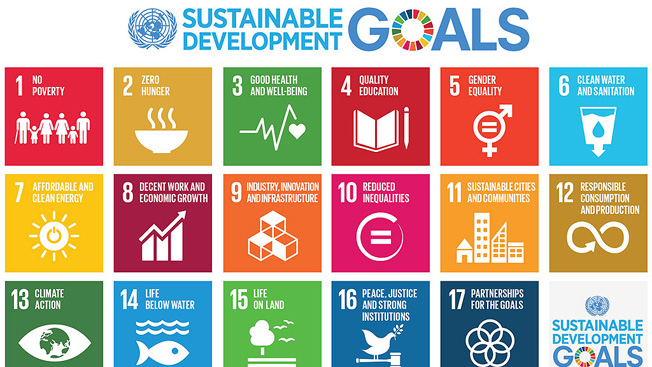
This July 2022, the European Scientific Institute, next to its several peer reviewed journals, among which is one of the largest interdisciplinary journals in Europe – the European Scientific Journal, ESJ, launched on its website a new platform specifically devoted to the publication of preprints.  Respecting the tradition of ESI, its Preprints platform is a multidisciplinary floor that allows all scientific manuscripts from all fields of research immediately available. Preprints are various types of research papers that have neither been subjected to peer-review nor published in a journal. In most cases, they can be viewed as completed or almost completed articles that are nonetheless ready to be shared with the international scientific community. All preprints undergo a short screening and if they pass the screening process are posted online in open access format under a Creative Commons Attribution 4.0 International (CC BY-NC-ND 4.0) license. Once online, preprints can be downloaded, shared, and cited. This gives maximum visibility to authors while ensuring their proper recognition for their work. With preprints, authors are in control of when their work appears, and if they want to change or add to the paper, they can submit a new version at any time. To ensure that citations are not affected, preprints assigned a DOI will have a new DOI issued for each version. An article published as preprint can be submitted, and after the peer review, can be published in any scientific journal. The ESI preprints platform is only the most recent project the ESI has designed to help reach the 17 sustainable development goals (SDG) set by the United Nations. Indeed, ESI as member of the SDG Publishers Compact has the SDGs at heart among its objectives. All ESI activities, its books, journals and its preprints platform are open to all researchers regardless of their gender, religion, race, geographical origin and nationality, and with its low publication fees is committed to SDG 5 (Gender Equality) and SDG 10 (Reduce Inequalities). ESI books, journals and preprints are all open access, and the preprints are a fast way to make researchers’ scientific works immediately available to the international scientific community, so contributing to SDG 4 (Quality Education), and SDG 10 (Reduce Inequalities). SDG 4 is also promoted through ESI several peer reviewed journals, and the many Conferences and forums organized in all parts of the world, which gather scholars with different backgrounds to share their scientific outcomes. Quality Education is also a main aim of the ESI Post-doctoral programs 1) Social Sciences and Humanities in a Post-Crisis Period; 2) Computer Sciences and Engineering; 3) Life and Natural Sciences in a Post-crisis Period; and 4) New Technologies and Law. The programs are in both English and Spanish, and to this aim, the ESI is partnered with many Universities all around Europe, which are involved with post-doc higher education of scholars all around the globe. Furthermore, the many partnerships of ESI with universities, research institutes and industries all over the world favor SDG 9 (Industry Innovation and Infrastructure) and 17 (Partnerships for the Goals). All of this work and all the effort in helping, as publisher, in developing the Goals set by the United Nations are possible only thanks to your joint commitment as people, researchers, scholars and academics all over the world, which I thank, and I hope that we will continue to work together for years to come.

Read More »
Blog

MIFS Conference

The 10 th Mediterranean Interdisciplinary Forum on Social Sciences and Humanities is over, and by now, all of us who attended are back at home and to our normal daily activities. After two difficult years for everyone, we have finally had the chance to all meet in person. I had never been to Tenerife before, but immediately after landing, I realized that I had arrived in a gorgeous island inhabited by welcoming and serene people. With its mild and gentle temperatures, Tenerife embraced all of us with days of sunshine and warm, calm waters. Tenerife, like all over Spain, offers a restful atmosphere on its beaches and in the hundreds of little restaurants and cafés located all around the island, which offer delicious food and refreshing wines. More than ever, I wanted to thank all of you who had the chance to share this wonderful experience with me, for your time and dedication. As a result of our participation, we were able to contribute interesting and inspiring presentations to advance social sciences and humanities, with the support of professionals and researchers around the world. Indeed, we came to La Laguna University from 13 different countries, scattered in all continents. In my opinion, a conference is not only a moment for presenting our scientific work, but it is also a moment for sharing, for listening, for exchanging among people who have common scientific interests. Furthermore, an international conference like the one we just attended in Tenerife, is also and foremost an opportunity for professional and personal relational enrichment. I warmly thank all the Colleagues and friends from the University of La Laguna for their professional and accurate organization, and for making all of us feel at home. Especially, I thank Jovan and Dejan for their tireless work and support to all of us, and mostly, for their smiles and friendship. I thank all of you once again, and I hope that you will continue to support ESI, its journals and all its activities.

Read More »
vaccine
Blog

WHAT IS A VACCINE?

To date Covid-19 is still spreading easily and sustainably all over the world. The covid-19 pandemic has certainly lead many policy makers in many countries to revise and reset their healthcare systems in terms of both human resources and facilities, and today all countries are striving for vaccines. What is a vaccine? The term vaccine derives from the Latin word for cow – vaccà, vaccae. The corresponding adjective and adverb is vaccinae meaning – having to do with cow, ‘cowly’, ‘cowish’. Edward Jenner in 1798 developed the term, and the first vaccine was inoculated in cows infected with Variola Virus, from which the name of the first vaccine was derived – Variolae vaccinae  (smallpox of the cow – cowpox). The vaccine was later administered also to people infected with Variola Virus, suffering from smallpox (Jenner, 1800). Later, Louis Pasteur in 1881, proposed to extend the term ‘vaccine’ to all the protective inoculations against viruses (Pasteur, 1881). Vaccines are chemical preparations that provide active acquired immunity against either a single specific virus (monovalent) or against a group of viruses (polyvalent) (Sakhatskyy, 2006). Vaccines are normally biological preparations often made from either weakened or killed forms of the virus or some of its components. The agent stimulates the immune system of the body to recognize it as a threat (non-self) and starts producing antibodies against it. In this way the immune system is capable of further recognizing and destroying any of the microorganisms associated with that agent that it may encounter in the future. Vaccines can be either prophylactic – to prevent or improve the effects of a future infection by a natural or ‘wild’ pathogen, or therapeutic – to fight a disease that has already occurred, such as cancer (WHO, 20202; Bachmann and Dyer, 2004). Vaccination is the most effective method of preventing infectious diseases (Brotherton, 2015); widespread immunity due to vaccination is largely responsible for the worldwide eradication of smallpox and the restriction of diseases such as polio, measles, and tetanus from much of the world. The effectiveness of vaccination has been widely studied and verified (Frazer, 2014).    Bachmann M. and Dyer M. (2004) Therapeutic vaccination for chronic diseases: a new class of drugs insight. Nat Rev Drug Discov 3, 81–88. https://doi.org/10.1038/nrd1284 Brotherton J. (2015) “HPV prophylactic vaccines: lessons learned from 10 years experience”. Future Virology. 10 (8): 999–1009. doi:10.2217/fvl.15.60. Jenner E. (1800) Dr. Jenner, on the Vaccine Inoculation. Med Phys J. 3(16):502-503. Sakhatskyy P., et al. (2006) Immunogenicity and protection efficacy of monovalent and polyvalent poxvirus vaccines that include the D8 antigen,Virology, Volume 355, Issue 2, Pages 164-174, ISSN 0042-6822, https://doi.org/10.1016/j.virol.2006.07.017. WHO (2020) Prophilactic Vaccines https://www.who.int. Frazer I.H. (2014) “Development and implementation of papillomavirus prophylactic vaccines”. Journal of Immunology. 192 (9): 4007-11. doi:10.4049/jimmunol.1490012. PMID 24748633. Pasteur L. (1881). “Address on the Germ Theory”. Lancet. 118(3024): 271–72. doi:10.1016/s0140-6736(02)35739-8.                                                                                         Franca Daniele, MD “G. d’Annunzio” University Chieti-Pescara

Read More »
Blog

THE LANGUAGE OF PANDEMICS

During this year 2020, all of us in the ESJ Family are celebrating the ESJ 10th anniversary and this Speciaò Edition – THE LANGUAGE OF PANDEMICS is part of these celebrations. Unfortunately, during this same year the whole world has been in total lockdown and the only communication means have been our telephones and computers. The coronavirus pandemic has abruptly changed our lives. Suddenly, our life modes were frozen and petrified into shapes that were unknown to us. The cities were deserted; we were all locked down in our houses with our beliefs, ideas, thoughts, joys and fears. In these peculiar, unusual, unnatural conditions, we have all found out that we are susceptible, liable and fragile. We have discovered internal resources never seen before, but that the support of our family and friends is crucial. We have realized that we are humane! Language is the most human characteristics, and during this pandemic, language has been proclaimed and elevated to its natural status: as the only means human beings have to stay in touch with, share and participate in each other’s lives. Sharing and participation have been possible thanks to the Internet and all the technological devices that have become extensions of our bodies. To date Covid-19 is still spreading easily and sustainably in all communities (“community spread”) all over the world. Community spread is referred to as airborne transmission, representing an important way of transmission of infectious diseases like tuberculosis, measles, and chicken pox, through which a group of people get infected with a virus or bacterium in a precise area. Covid-19 infection is spread by exposure to the virus through small droplets and particles produced when an infected person coughs or sneezes; these droplets can linger in the air for minutes to hours and can move for distances up to 2 meters. After infection with Covid-19, symptoms may appear 2-14 days after exposure to the virus, and can range from mild illness to severe disease. Covid-19 pandemic has certainly lead many policy makers in many countries to revise and reset their healthcare systems in terms of both human resources and facilities, because for the first time, the ‘modern’ world was found to be unfit to face such a medical emergency. In these somewhat ‘exceptional’ conditions medical knowledge transmission and spreading is crucial, especially because people need to be not only informed about the facts surrounding the disease and its spread, but they primarily need to be reassured. Indeed, the issue of knowledge and communication in medicine is certainly a serious one, and during this pandemic medical communication is taking place at different levels starting from the World Health Organization, passing through the different health ministries and commissions in all countries, and ending with doctors and journalists. The papers in this Special Issue use a variety of research methods and they all describe with different angles and different viewpoints this exceptional human condition. Furthermore, this Special Issue is aimed at highlighting language in all its aspects and especially as a communication and an exchange tool during this historical period. The Edition starts with the article by Barbara CAPPUZZO who discusses about the importance of English language as the language of the world, and about the ways the pandemic outbreak has affected our lives, the way we talk and the way we conceive the world. She debates on how a number of Anglicisms have become fully part of the lexicon of Italian language, traditionally being open to foreign words. According to her investigation, Covid-19-related Anglicisms are used in Italian to such an extent that we can reasonably refer to them as the ‘language of pandemic’, with numerous English words and expressions employed in Italian. Renzo MOCINI’s article continues the investigation into the peculiarities of the language used during this Covid-19 pandemic. More specifically he analyzes the ways the World Health Organization (WHO), which represents an authoritative voice in health issues, has managed communication and information transfer to the laypersons during this 2020 pandemic. He continues that since the recent Covid-19 pandemic outbreak, an infodemic has occurred, conveying an overabundance of information, in which separation of the ‘wheat from the chaff’ and true from fake news is extremely difficult. The article by Stefania CICILLINI and Antonella Maria GIACOSA is the perfect example of how our professional and teaching experiences have been so diversified during this period, forcing us to change all our teaching habits and find new strategies to keep our students glued to their computers and listen to us. Indeed, both lecturers and students had to become familiar with online education and had to interact and communicate digitally to replace face-to-face interaction. CICILLINI and GIACOSA highlight how, in this context Emergency Remote Education emerged as a branch of distance learning concerning the unplanned response to an educational emergency. The present Special Edition ends with my paper, which carries out a textual, discourse and semantic analysis of the song Entangled, a masterpiece by the English band Genesis. The song describes a patient living in a dream-like state, having many similarities and parallels with the state of being affected by Covid-19 and experiencing the worst manifestations of the disease. The most overt message deriving from analyzing the words and the discourse in Entangled is the prevailing-type pattern that evidences the strong imbalance existing in a relationship between a doctor and a patient. The inaffable music and voices join in a coral-like song that seems to have links with serenades, charms, prayers, and with unknown dimensions. The enchanting images produced by Entangled evoke a calm, dream-like state where the listener is carried inside the soft ripples of the rhymes and verses that combine and overlap perfectly with the flowing rhythm and the purely magical music.                                                                                       Franca Daniele, MD “G. d’Annunzio” University Chieti-Pescara

Read More »