
Author: Audrey Tolouian

doctor-vaccinating
Blog

The COVID Vaccine – What should you expect?

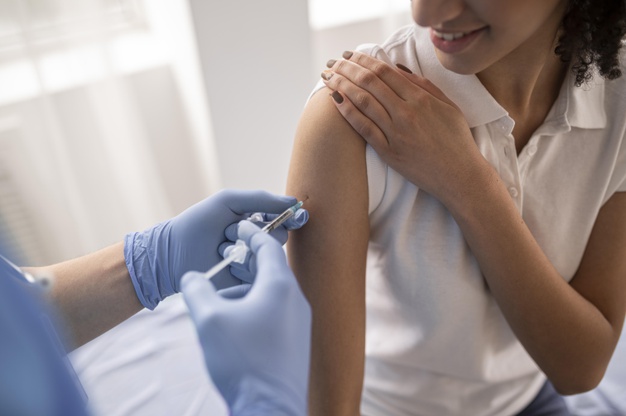
COVID-19 has now been around for a little over a year, and over the past few months, vaccines have been rolling out. There are several two dose vaccines that have been approved for emergency use for the pandemic, as well as several more that should be approved soon, requiring only a single dose (Pfizer, 2021). There has been a fair amount of speculation about the vaccine and what happens to the body once one receives it…Chances are that if you are over age 16, the vaccine will be in your near future so, and you may be wondering. So, here is my account from a nursing perspective. When I arrived at the clinic for my vaccine, they asked me a fair number of screening questions. The typical allergies, name, date of birth etc..- but then they asked more specific questions that I did not expect as part of this screening and feel they are fairly important to pass on: Any other vaccines in the last two weeks? Have you had a positive diagnosis of COVID-19 or received monoclonal antibody therapy? Botox or fillers in the last two weeks? (CDC, 2021,a) So, why are they asking those questions? I had to find out. For previous vaccines in the last two weeks- they want to know so that The current recommendation is that people do not receive the vaccine within two weeks of receiving another type of vaccine. There has not been any research done to identify the outcomes of this. The CDC recommends at this time to avoid. (CDC, 2021,a) Previous COVID Dx: Antibodies stay for approximately 90 days, so it is recommended that they delay getting the vaccine, until more doses are available. (National Center for Immunization and Respiratory Diseases, 2021). Botox/Filler: “In the Moderna mRNA-1273 trial, three reactions were possibly related to dermal fillers out of 15,184 vaccine recipients. It is unknown how many subjects    in the trial had previous treatment with dermal fillers.” (Avram, et al, 2021) The first dose of the vaccine was pretty benign. The injection is given in the upper arm- the deltoid muscle. Because the injection needs to be given in the muscle, a fairly large gauge needle is used- typically between a 22 and a 25, with needle sizes the smaller the number the larger the needle bore (Nakajima et al, 2017). Intramuscular injections typically cause a fair amount of pain afterwards- and this one was no different. Similar to a tetanus shot. Due to the type of vaccine, it needs to be delivered into the muscle. Once the injection is given, they ask for you to wait for 15 minutes for observation period. During this time they are watching you for any type of allergic reaction- trouble breathing, dizziness, itchy tongue etc- this period is extended to 30 minutes if you have had any type of anaphaylaxis in the past (Pfizer, 2021). For me, about 5 minutes after the vaccine I got very anxious- I did some pranayama breathing and it settled down before my 15 minutes was up. Over the next few weeks- I spoke to a dozen or so other people that felt anxious after the vaccine too. I had typical arm soreness that extended down to my wrist the next day- nothing that acetaminophen did not resolve. I also woke up feeling pretty achy- but this resolves as soon as I went for my morning walk…That was it, no other effects. The second dose is given a minimum of 21- 28 days after the first dose- but be sure to check what your wait time is as it varies depending on the brand. It is also very important to make sure that you receive the same brand each time as there has not been any research to determine the effects of two different brands of vaccine (Pfizer, 2021). Again it is administered into the deltoid muscle in the upper arm. I used the opposite arm from the last time- and hardly felt it go in. This time my 15 minutes passed very quickly without incident. Later that evening- about 5 hours after the injection I started to feel a little bit nauseous, but not too bad. That night I had difficulty sleeping, I was very achy, and my fingers swelled enough that I had to remove my wedding rings. The next day I continued to be achy, I was pretty tired, with a mild temperature, and my arm was very sore. All of this was expected after the second dose. After the second dose, they tell you to expect to feel flu-like symptoms (CDC, 2021c), and they were correct. I followed the guidelines and drank plenty of water, ate chicken noodle soup, and stayed on the couch and watched NetFlix- Ok, the last one was not in the guidelines, but it helped me to pass the day, and actually enjoy the break from work! I went to bed early that night and when I woke up the next day, I felt fine. So, a basic timeline, 5 hours after the injection I had nausea, at 10 hours: I started to get achy and my fingers swelled-this continued for about 12 hours, I had a good sleep and felt better. All in all the experience was not too bad, I would definitely do it again, and I as a nurse, I have no reservations that I took the vaccine. If a day on the couch with mild flu-like symptoms was the worst I felt during the pandemic- I consider myself very lucky. It will be interesting to watch the new trials as more medications and vaccines are created to help stop this pandemic. Here is the website to check them out yourself! www.clinicaltrials.gov. References: Avram, M., Bertucci, V., Cox, S., Jones, D., & Mariwalla, K. (2020, December 28). Guidance 2. Regarding SARS-CoV-2 mRNA Vaccine Side Effects in Dermal   Filler Patients. https://www.asds.net/Portals/0/PDF/secure/ASDS-SARS-CoV-2-Vaccine-Guidance.pdf CDC. (2021). Prevaccination checklist for COVID-19 vaccines. https://www.cdc.gov/vaccines/covid-19/downloads/pre-vaccination-screening-form.pdf CDC. (2021). Pfizer-BioNTech COVID-19 vaccine standing orders for

Read More »
Blog

LEARNING TO RELAX DURING A PANDEMIC

As we all know at this point, the year 2020 has brought a whole new set of challenges to the world. Not only has the COVID-19 virus caused physical issues, it has also caused emotional, financial, and well-being issues. My students have really felt this. As nursing students, they are in a tough place- they are responsible for book learning, but they are also responsible for hands-on clinical skills. With a lack of protective gear, an unknown virus, and a higher than normal level of anxiety, this created an environment that was not suitable for learning. The students have been at a loss through all of this. I tried as quickly as I could to disseminate information, but that was not enough-the students wanted more. They not only went to full-time school, they were now taking full-time care of their spouses and children, and then they were told they had to become homeschool teachers for themselves and for their children, creating an environment of overwhelming chaos! Somehow, I needed to help them deal with some of the stress, and in doing so, I also helped myself and a few other faculty members as well. I provided virtual office hours and noticed that the students only needed a space to have a discussion, not always concerning nursing school, but often times talking about their homelives and how stressful life had become- almost overnight. It became clear pretty quick that the students needed to learn how to care for themselves before they could care for others. Using a model of care called Plane Tree, (Plane Tree, 2020) where the patient is the center of the care team, I morphed this concept a bit so that the student would see themselves as the center of the educational team, and learn some skills that would allow the mind to rest, allowing all of the parts- physical, mental, emotional, environmental, and spiritual (American Nurse Association, 2019)- to fall into harmony. This transformed into weekly meetings with semi-structured activities- where we came together and learned some mindfulness techniques based on Capacitar, a series of “easy-to-use holistic practices drawn both from ancient cultures and current research”  (Cane, 2011). The activities that we did in the virtual classroom, can be easily used in other settings. They are a great way to create a sense of community as well as learn some skills that will help to take the edge off of the underlying anxiety that everyone seems to have these days. The first step is having conversation to gauge what the group is interested in or struggling with and taking it from there. Not working with a group? Don’t worry- they work solo too! So, to start, the students and I had some conversations about what we do for fun and things that we do to relieve stress. One student stated during one of the discussions that he was an artist, and his mood was reflected in his color choices. This prompted a bit of color usage study and research studies investigation. Since we were in an Evidence Based Research course, I found a few studies that showed that it helped to increase attention on exams if students colored mandalas before studying, and the students performed better (Carsley, 2020). So, I asked my students to pull out their crayons and get to work. Yes, nursing students actually earned a point if they colored their mandala and shared it with the class. And you know what? They loved it! One of the best parts was actually olfactory- many students said that the smell of the crayons brought them right back to their childhoods, when times were less complicated and they were able to have a bit of fun without guilt. Here they were given permission to take a break and have a bit of stress relief and the response was amazingly positive. To color a mandala, there is no special skill required- actually the most difficult thing is to decide on the one that you would like to color. Once that is decided- grab some crayons, colored pencils, or pens and get started. You can get as involved as you like- What do the colors mean? Should I color with a certain intention? Will I write down positive affirmations as I go? Gençdoğan, et al discuss how mandalas can be used for meditation, to spark creativity, and to create a sense of calm (2018). The most important thing is to enjoy it, let yourself go, and be in the moment. “Bring your pet to class day” was the next week. It is incredible how people love being involved with pets in the classroom virtual sessions. There were dogs, cats, and other types of other pets- such as turtles and lizards. It opened up a whole heart-to-heart about how animals help people to stay calm, make them laugh and help them to take their minds off school (Anderson, 2018). The interactions really showed the animals’ personalities, and how special to the students they are. This was a great activity to get the students engaged with each other quickly and it was so much fun to get a screen grab of all the animals in a Zoom session! Feeling that your team has drifted apart due to working virtually? Ask the members to bring their pets to the next meeting and watch what happens- Don’t have a pet? You Tube has tons of cat videos- during the pandemic, they have become extremely popular for a reason. Another fun activity was Tai Chi. The students said that they really enjoyed this- and actually had their family members join in. Let’s all admit- Tai Chi gets a bit of a bad rap, I mean what good can moving in slow motion do, how is that even exercise? it is just going to make me look silly!  Well, there is much more to Tai Chi than those specific movements, it is actually a martial art that helps to improve the mind-body connection and

Read More »